In this week's issue, we take a look at a sealed scoop, windows within windows, and a second key. Each tells a story about what it took to make an ambitious car work on the road.
The classic · 1974
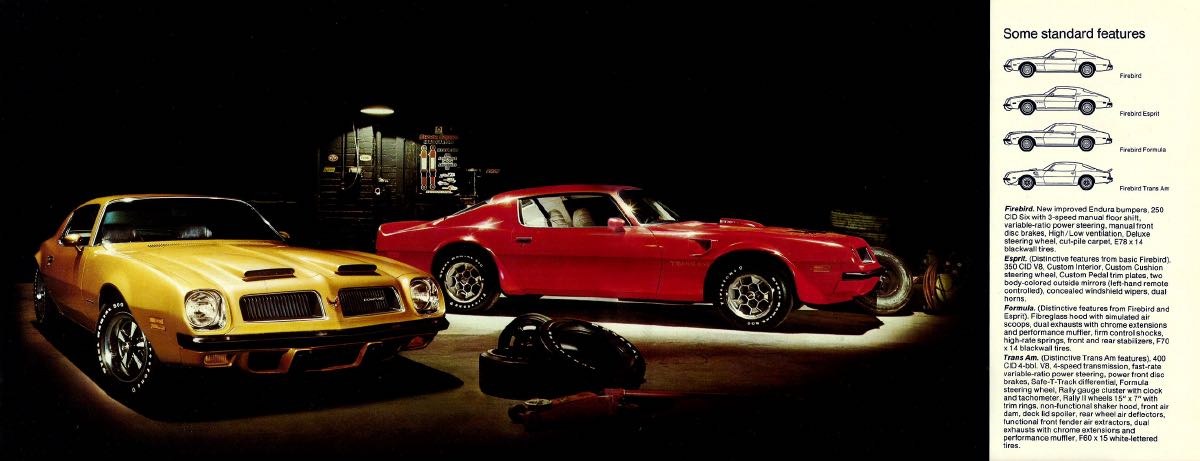
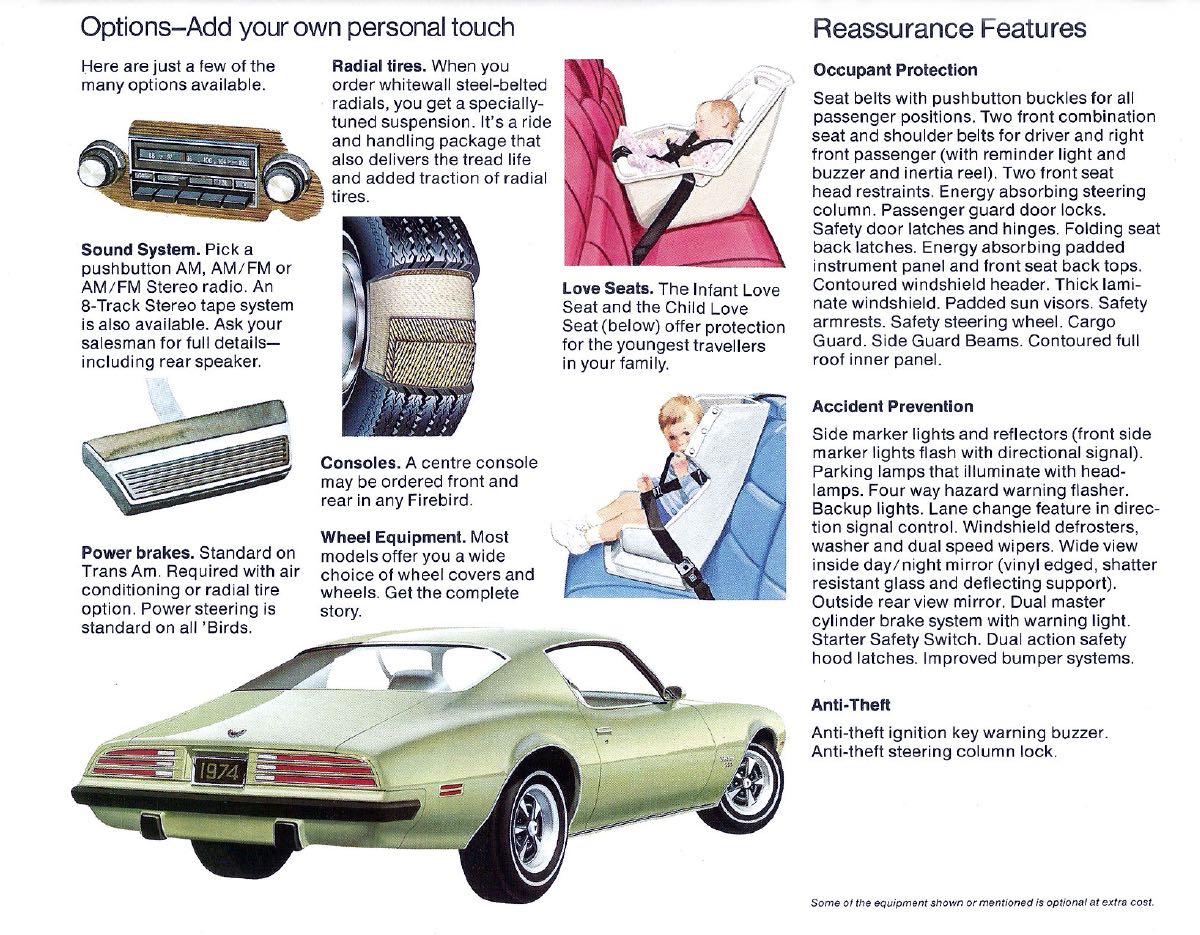
1974 Pontiac Firebird
The Trans Am's shaker scoop looked ready to gulp cold air. Pontiac sold it sealed to help meet drive-by noise limits. The optional Super Duty 455 had been certified with that intake arrangement, so ordering the engine in a Formula brought the Trans Am's shaker hood with it. That saved Pontiac from certifying another intake setup.
Underneath, the SD received a reinforced block and forged rods and pistons, but the crankshaft remained cast iron because a forging cost too much. Its cylinder heads were extensively reworked for better breathing. Pontiac listed 290 net horsepower, against 250 for the ordinary 455, with just 8.4:1 compression and regular fuel for the Super Duty. This was an unusually serious engine assembled within the practical limits of a production-car program.
The camshaft involved another compromise. Engineer Skip McCully recalled that the original design could meet federal emissions limits but not GM's stricter internal margin for production variation and wear. Pontiac substituted a milder cam before customer production. That puts a famous number in perspective: Car and Driver's 13.75-second quarter-mile came from a 1973 press car with a prototype engine and the earlier cam, not a showroom-stock 1974 Trans Am. The hardware survived; some of its original tuning did not.
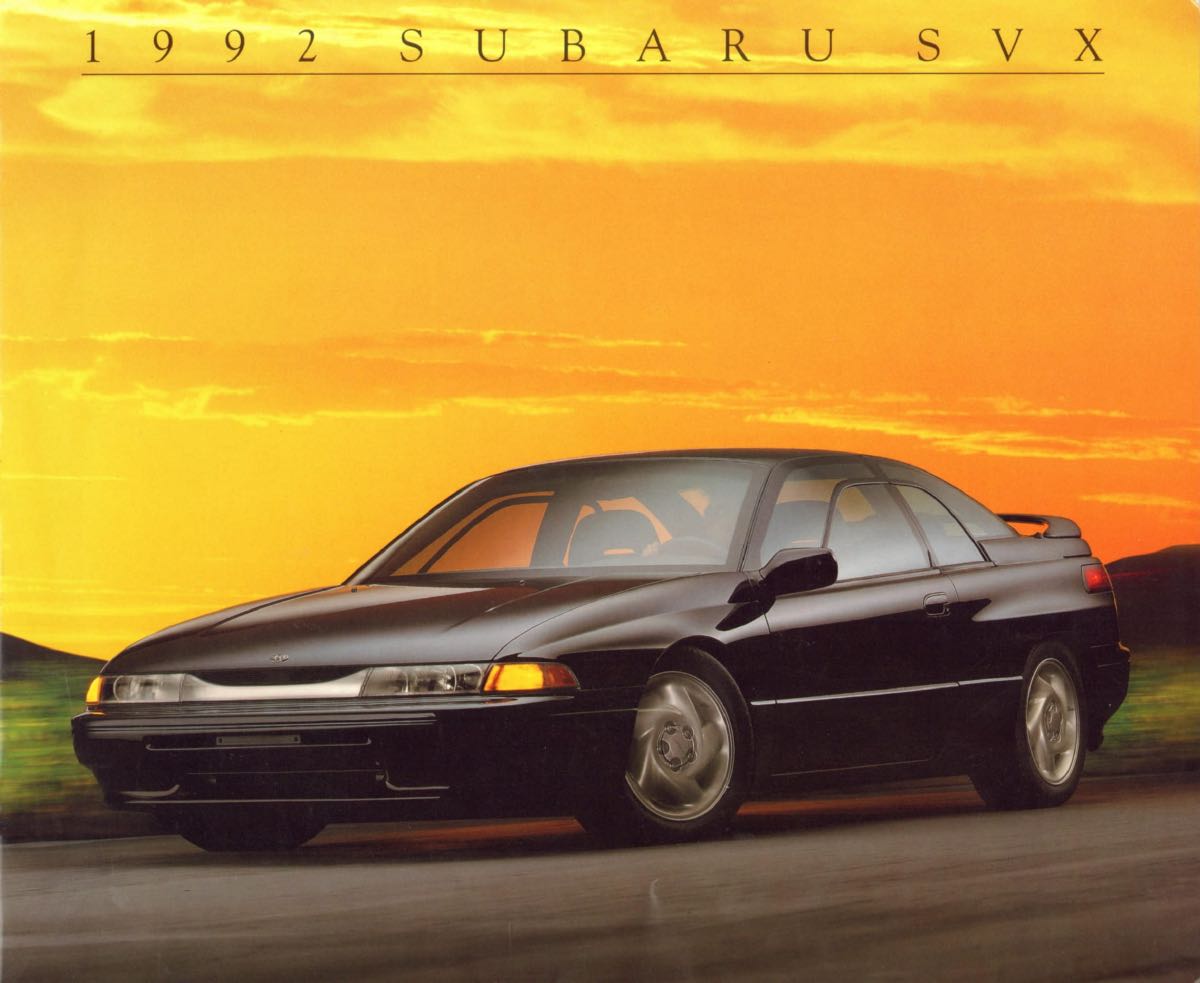
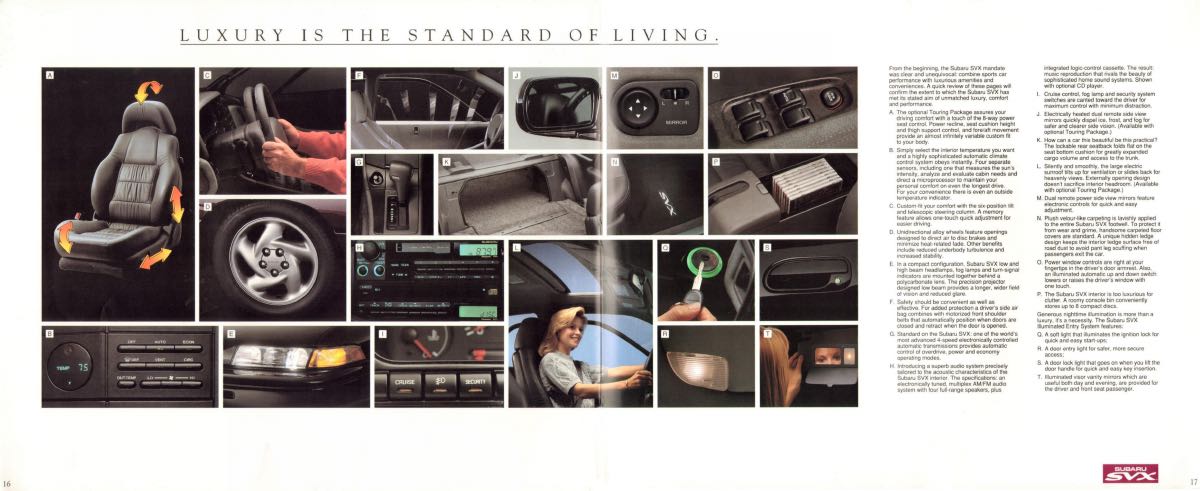
Subaru had a different problem to solve: keeping the drama of a show car without making its occupants suffer for it. Giorgetto Giugiaro's sweeping glass canopy largely survived the move to production, but those enormous curved side windows couldn't simply disappear into the long, shallow doors. The smaller opening panes preserved the shape, and Subaru promised fresh air with less noise and wind buffeting.
The less visible engineering was just as unusual. According to Car and Driver's contemporary test, the 230-hp, 3.3-liter flat-six could briefly shut down one bank of cylinders during upshifts to make them smoother. A butterfly valve between the intake's two air chambers changed the manifold's tuning at different engine speeds. Subaru was spending its ingenuity on making the car easier to drive, not giving the driver more things to manage.
That also explains the four-speed automatic. Subaru's development chief Shigeru Iga believed the car should do the work, and the company didn't have a suitable manual gearbox anyway. The automatic received a larger torque converter, stronger input shaft and upgraded clutches, while an electronically controlled clutch distributed power between the axles. Even the wipers had a winter parking position that left them higher on the glass to help when snow accumulated. Underneath the exotic canopy was a remarkably practical idea of a fast car.
Bugatti pushed that promise of effortless speed much further. Ferdinand Piëch wanted a car that could exceed 400 km/h and still be civilized enough for an evening at the opera. Its 8.0-liter, quad-turbo W16 supplied 1,001 metric horsepower, but power alone couldn't deliver both halves of that brief. The seven-speed dual-clutch gearbox used dry-sump lubrication, like the engine, to help keep the center of gravity low.
It needed different aerodynamic settings, too. In its high-speed handling configuration, the rear wing helped keep the car planted and could pivot into an air brake. Reaching maximum speed required a separate key beside the driver's seat: the car lowered itself, closed the front diffuser flaps and reduced the rear wing's angle to cut drag. The second key selected a different configuration, not simply more engine power.
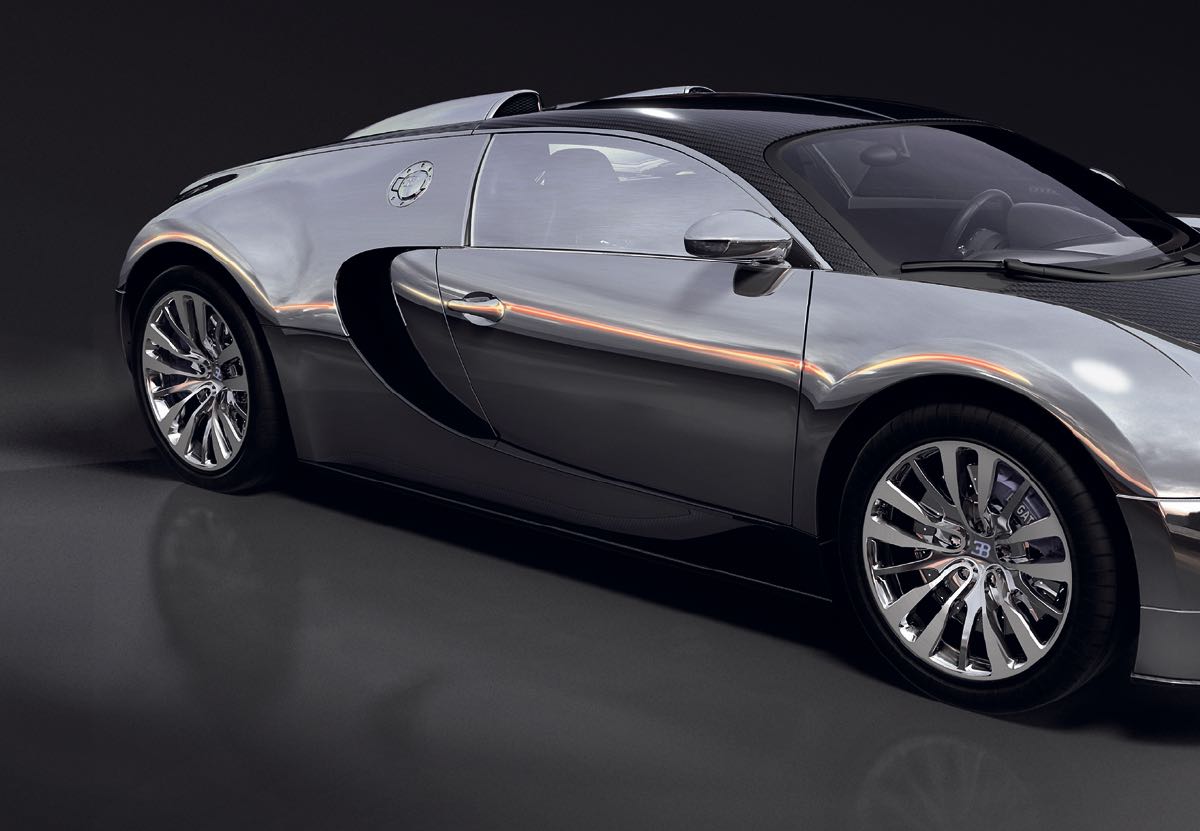
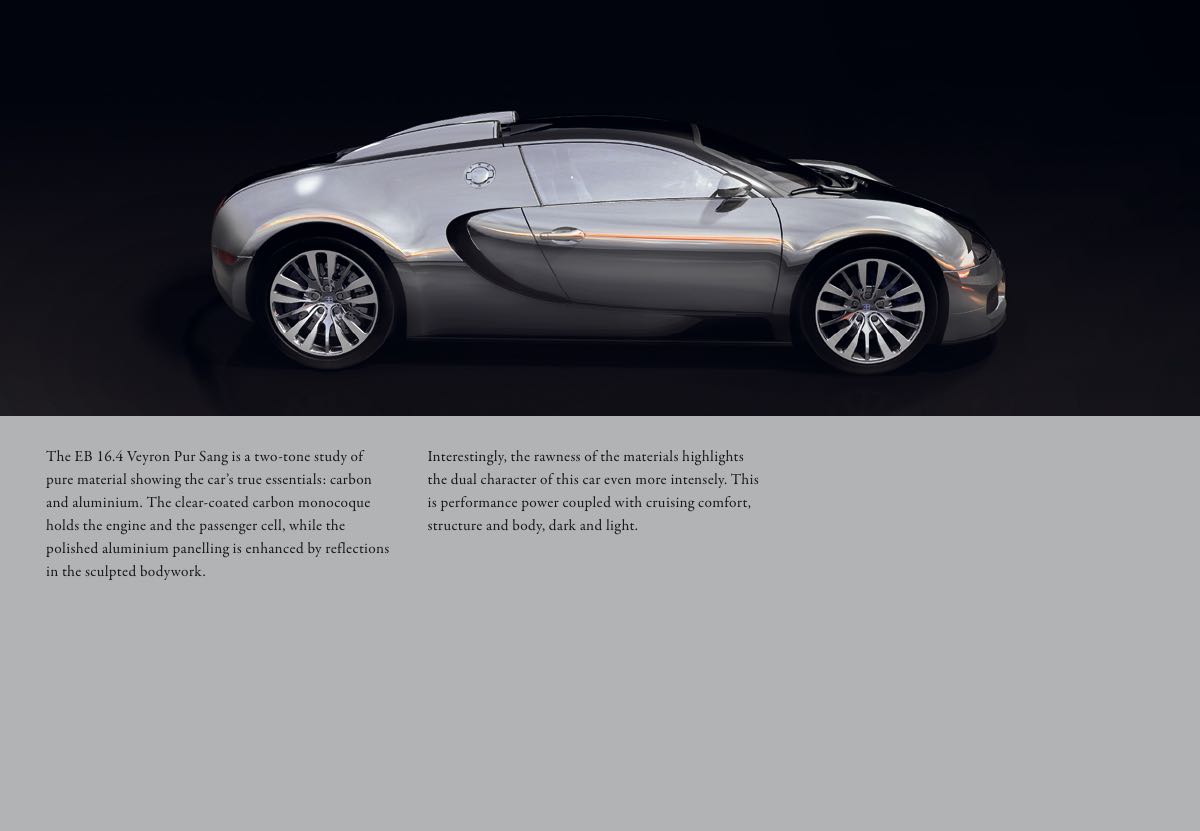
The 2007 Pur Sang made another engineering choice visible. Designer Achim Anscheidt said the idea began with his fascination at seeing the Veyron's carbon-and-aluminum structure in the Molsheim workshop. For the finished car, he reinterpreted Bugatti's traditional two-tone appearance using the materials themselves instead of two paint colors. Clear-coated carbon-fiber body panels contrasted with polished aluminum, bringing some of that workshop impression to the exterior. Only five Pur Sangs were built.