In this week’s issue, we take a look at the Oldsmobile Toronado, MG MGF, and Honda Insight. We explore the Toronado’s unusual drivetrain, the competing ideas behind MG’s roadster, and the details that made Honda’s hybrid look so different.
The classic · 1966
1966 Oldsmobile Toronado
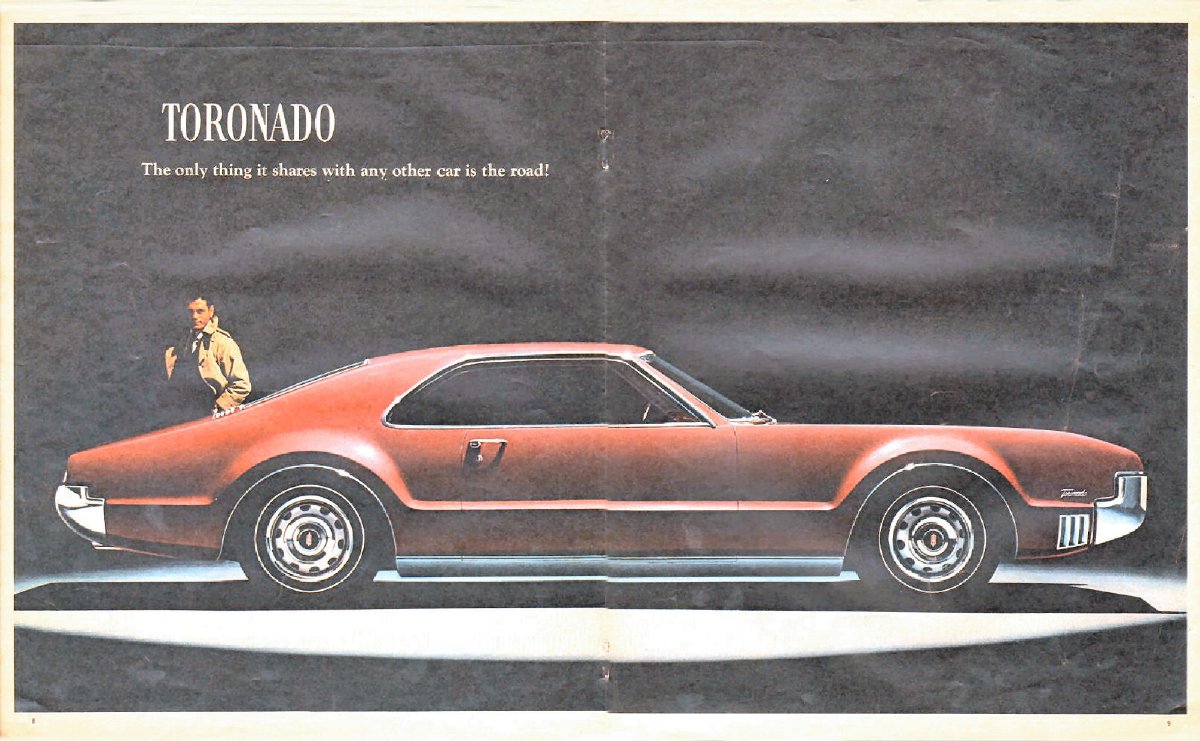
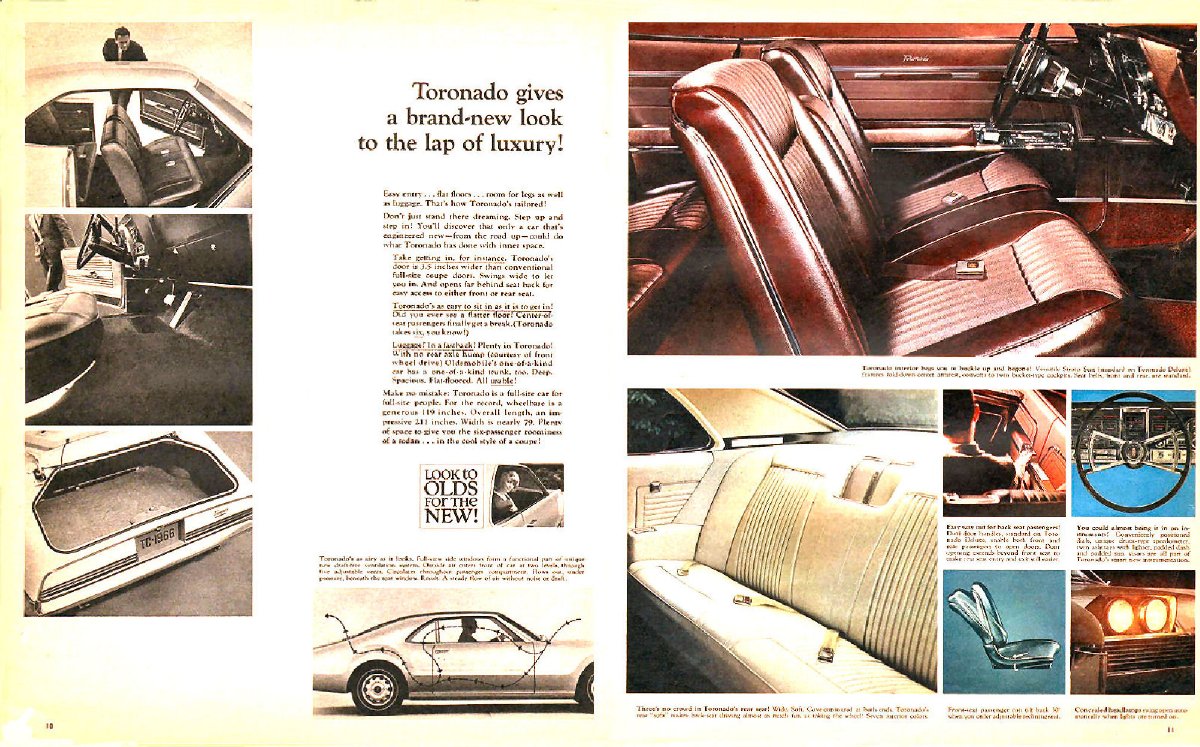
The 1966 Toronado put a 425-cubic-inch V8 under a long hood and sent its power to the front wheels. That arrangement left the passenger compartment with a flat floor, without the usual transmission hump dividing the front seat. Oldsmobile called the assembly a Unitized Power Package, but fitting an engine, automatic transmission and final drive into the nose took some rearranging.
The V8 still sat lengthwise. Its torque converter stayed behind the engine, while the gearbox ran alongside it, facing the opposite direction. A two-inch-wide steel chain carried power between them; the differential tucked beneath the engine's left cylinder bank. Engineers had tried gear-driven connections before settling on the quiet chain. The package proved useful well beyond this coupe: a later version powered GMC's front-wheel-drive motorhome.
The body had its own packaging problem. The Toronado shared its roof panel with the Buick Riviera, despite the two cars' very different appearances. Designer Dick Ruzzin recalled that Bill Mitchell connected the roof's outer crease to the tail, changing the rear quarter's surface and helping produce those enormous wheel flares. The front and rear flares were set at different angles to make them look alike. Under that broad, nearly grille-less nose was a novel drivetrain; above it was a shape partly worked out around another division's roof.
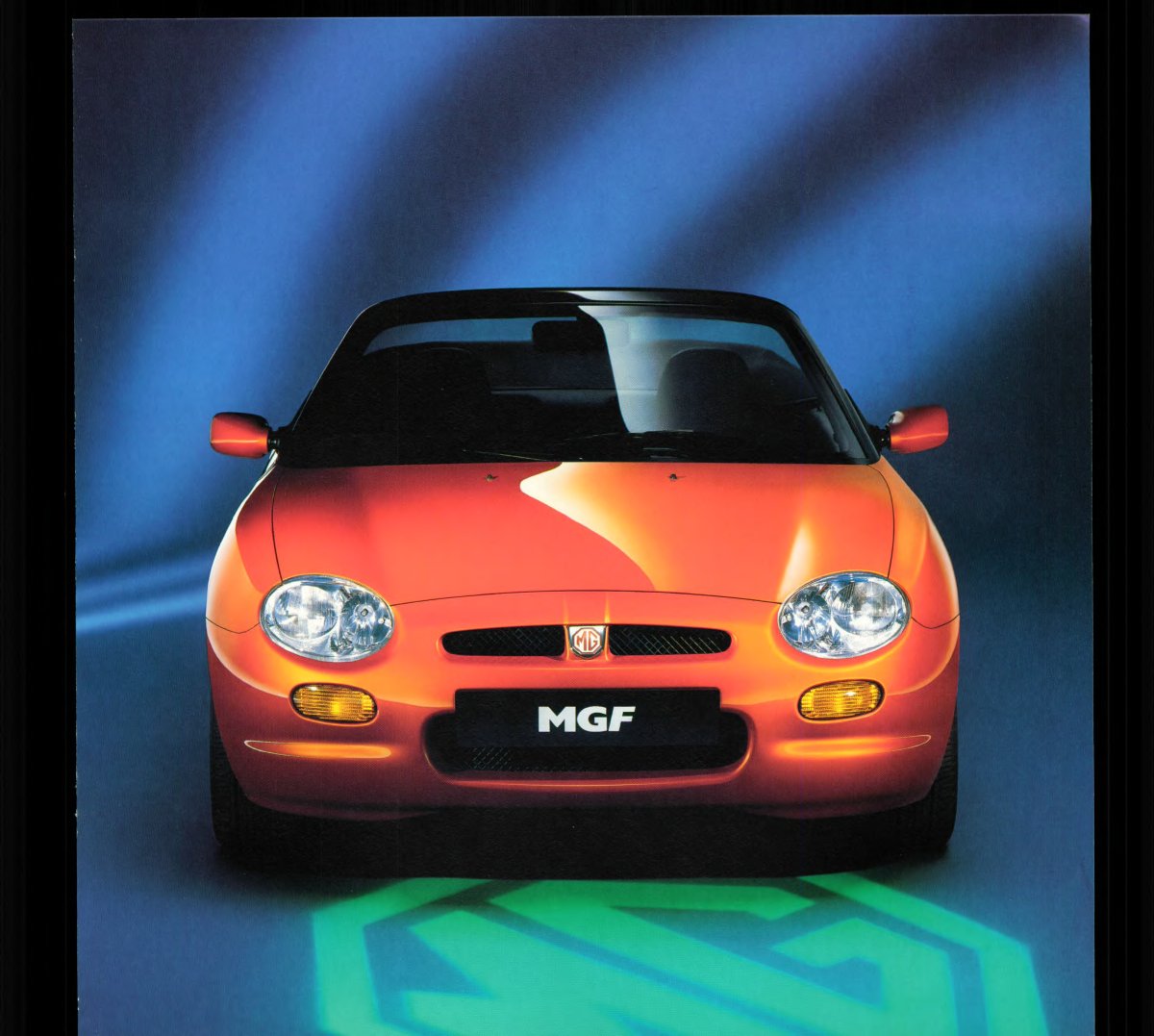
MG considered hiding the MGF's headlights, then decided against it. Exposed lamps were part of the marque's identity, and the designers wanted that familiar face on a thoroughly unfamiliar mechanical layout. The low, rounded nose had no engine beneath it: a transverse 1.8-liter four sat behind the seats, driving the rear wheels. The side intakes and rear-deck vents were there to help cool it, rather than dress up an ordinary roadster.
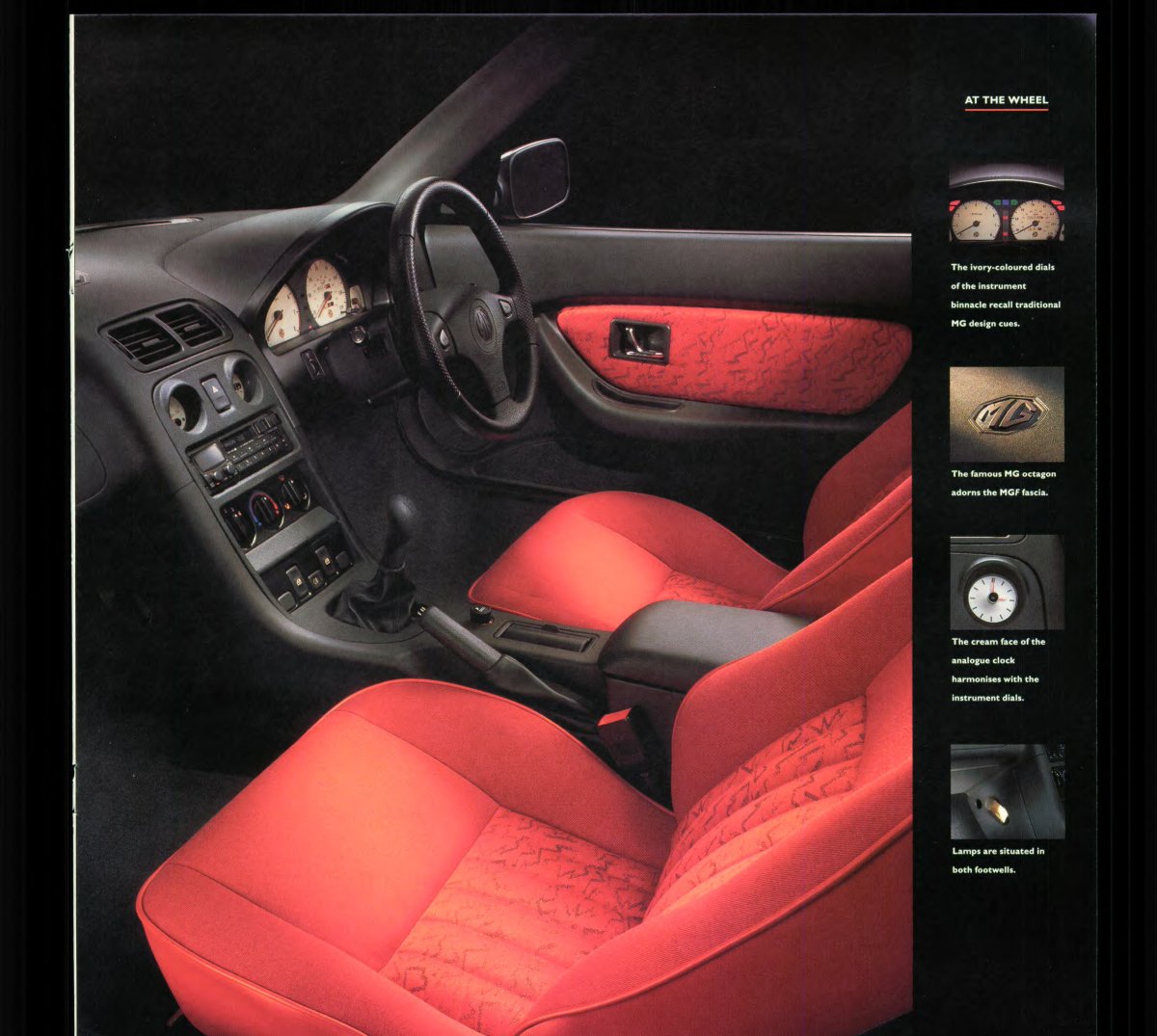
The initial range offered 120 and 145 metric horsepower. In the stronger VVC version, Variable Valve Control altered how long the inlet valves stayed open by varying the cam lobes' rotational speed. That let the engine breathe more deeply as demand increased. Both versions had a five-speed manual and Hydragas suspension interconnected from front to rear; electric power steering was standard on the VVC and optional on the base car.
The engine's position was not a foregone conclusion. Rover tested three competing layouts, including front-wheel drive and a front-engined, rear-drive prototype with a 3.9-liter V8. The mid-engined proposal won, and it had a useful cost advantage: an existing engine and gearbox could work together behind the seats without major modification. The more traditional rear-drive arrangement would have needed a new platform and running gear.
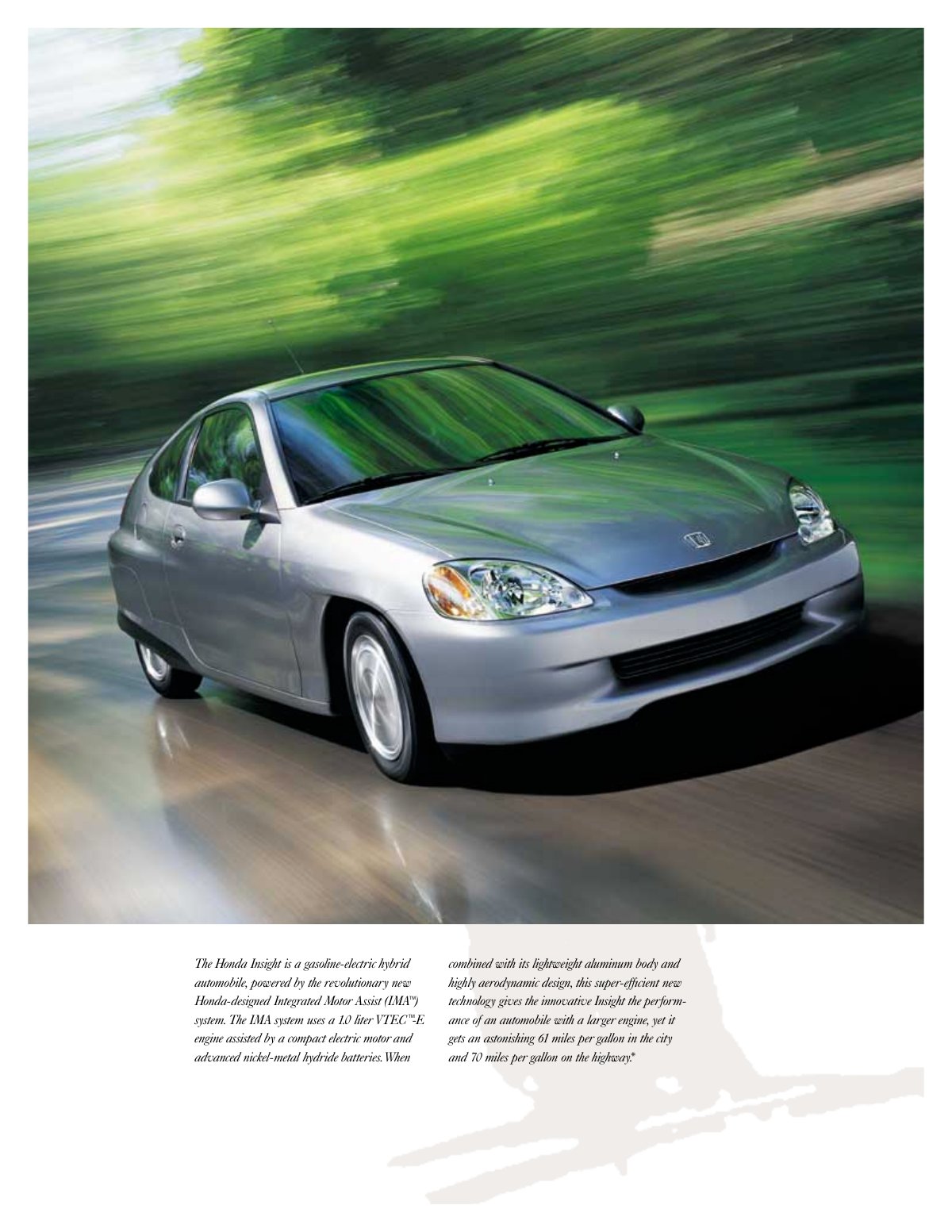
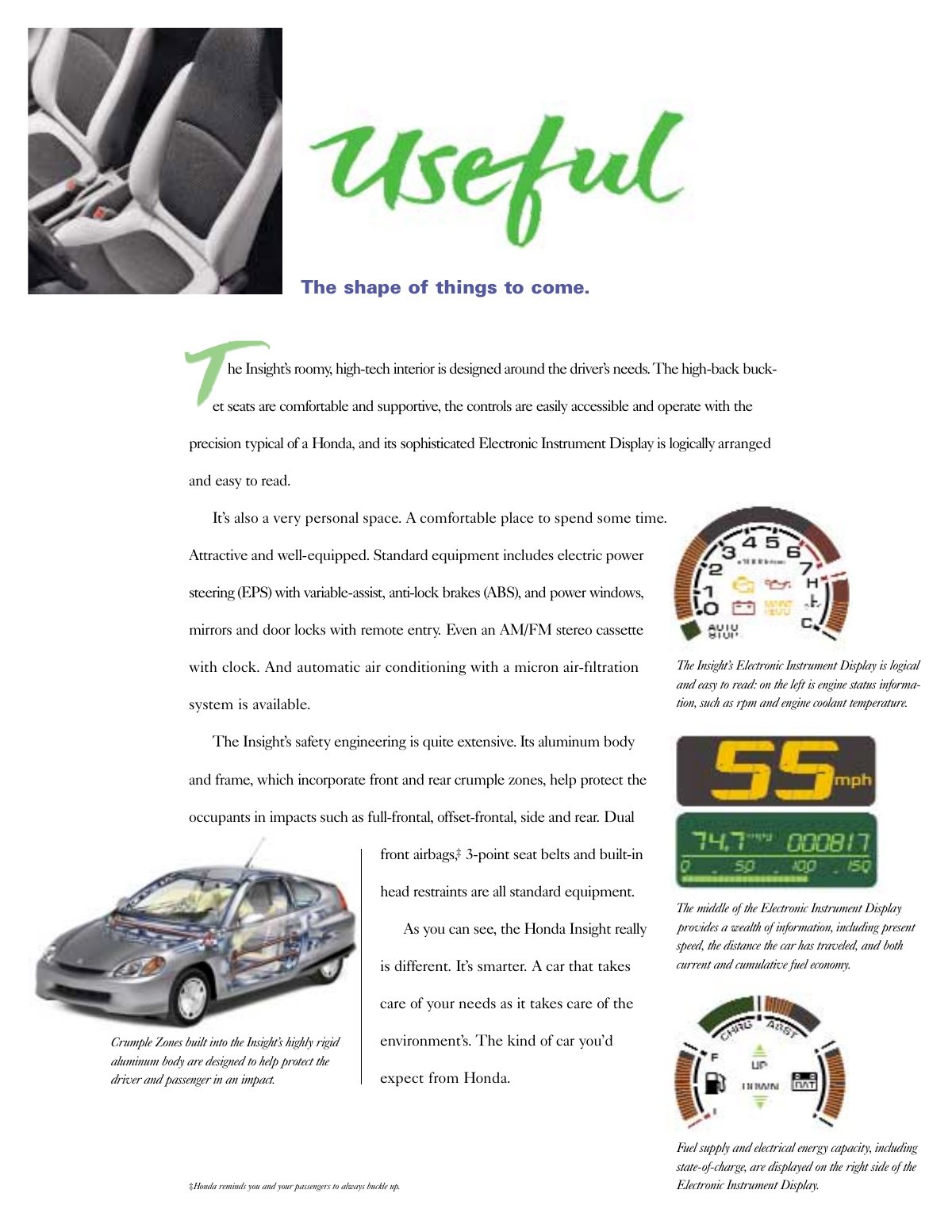
The Honda Insight's hybrid system was only part of its fuel-saving engineering. The Insight's rear wheels sat 4.3 inches closer together than the fronts, allowing the body to taper behind the cabin. Skirts covered the rear wheel openings, while the roof ended in a sharply cut-off tail. Honda put its drag coefficient at 0.25; the unusual proportions had a practical job.
The body used aluminum and plastic to keep weight down. Its 1.0-liter three-cylinder engine worked with a thin electric motor and nickel-metal-hydride batteries, producing 73 horsepower with assistance. The motor helped under acceleration and recovered energy during braking, so the owner never plugged it in. A five-speed manual was the only US transmission for 2000. The original EPA estimates were 61 mpg city and 70 highway, figures from the testing system of the time rather than a promise for every journey.
The car also persuaded an unlikely organization to put its name behind a product. In January 2000, the Sierra Club gave the Insight the first product award in its 108-year history. Its executive director, Carl Pope, pointed to Honda's commitment to sell the car in all 50 states. For all its experimental-looking bodywork, this was an environmental demonstration people could actually buy.