In this week's issue, we take a look at the AMC Pacer, Fiat Uno, and BMW i3. We explore the Pacer's unequal doors, the packaging behind Fiat's tall hatchback, and the materials that opened up BMW's electric cabin.
The classic · 1975
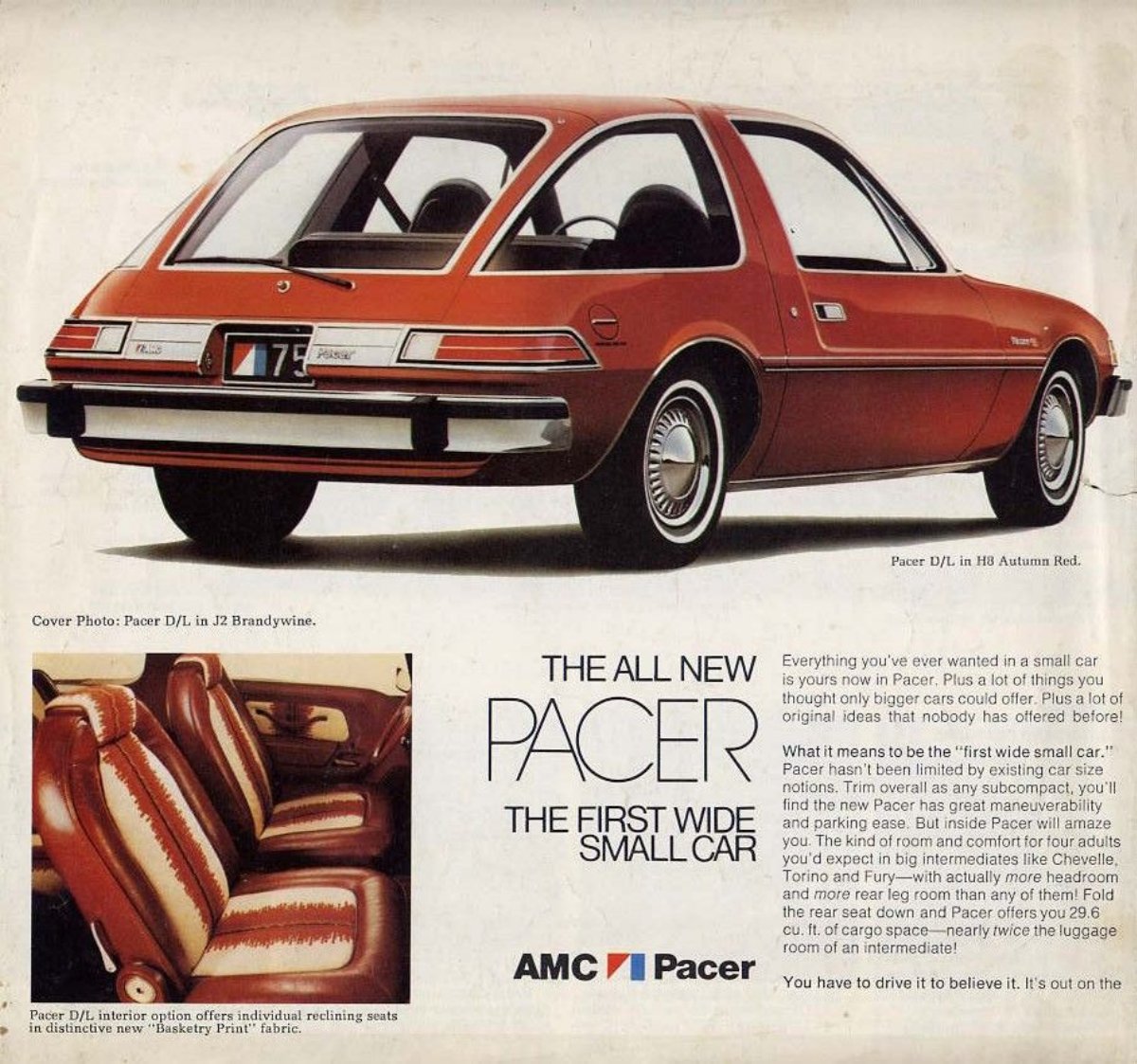
1975 AMC Pacer
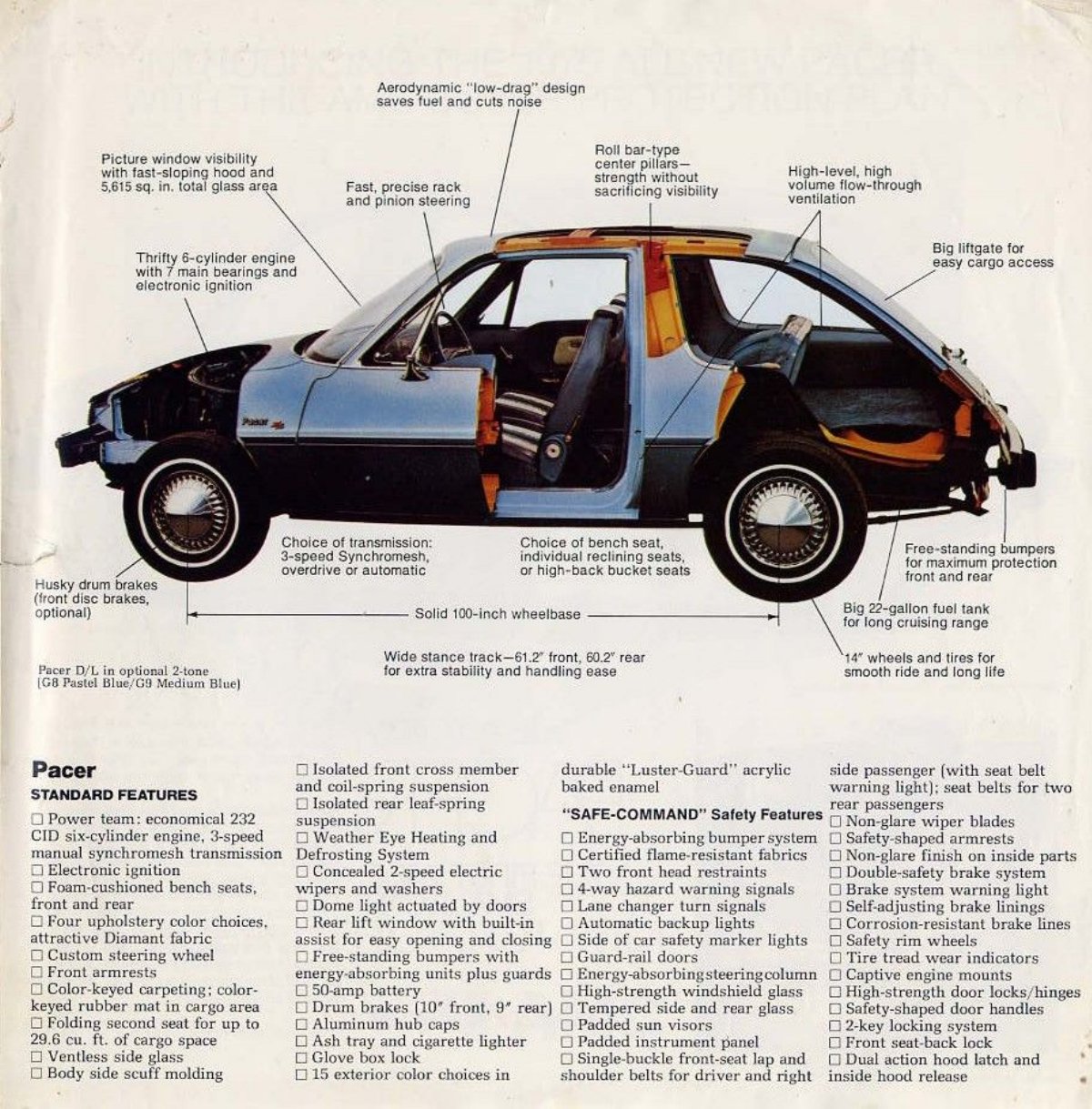
The Pacer's passenger door was four inches longer than its driver's door. AMC wanted rear-seat passengers to climb in from the curb without squeezing through the same opening as the driver. It was a small detail in an unusually ambitious packaging exercise: a car only 171.5 inches long, but wide enough to give its occupants the room of a much larger sedan. The enormous windows and short hood made that passenger-first brief visible from across a parking lot.
The hood was supposed to cover a compact rotary engine supplied by General Motors. When GM abandoned the project, AMC fitted its own 232-cubic-inch inline-six, pushing the longer engine back into the firewall. Rear-wheel drive remained, with rack-and-pinion steering up front. The short body hadn't produced a particularly light car; the six and substantial structure left the Pacer carrying more weight than its small-car outline suggested, with disappointing fuel economy to match.
Even the glass needed a compromise. The side windows were too tall to retract completely into the doors, so a raised sill protected the exposed edge. Designer Dick Teague later told writer Byron Olsen that too many people had added unnecessary things during development, making the car bloated. AMC had found room for its passengers, but struggled to keep the rest of the package small.
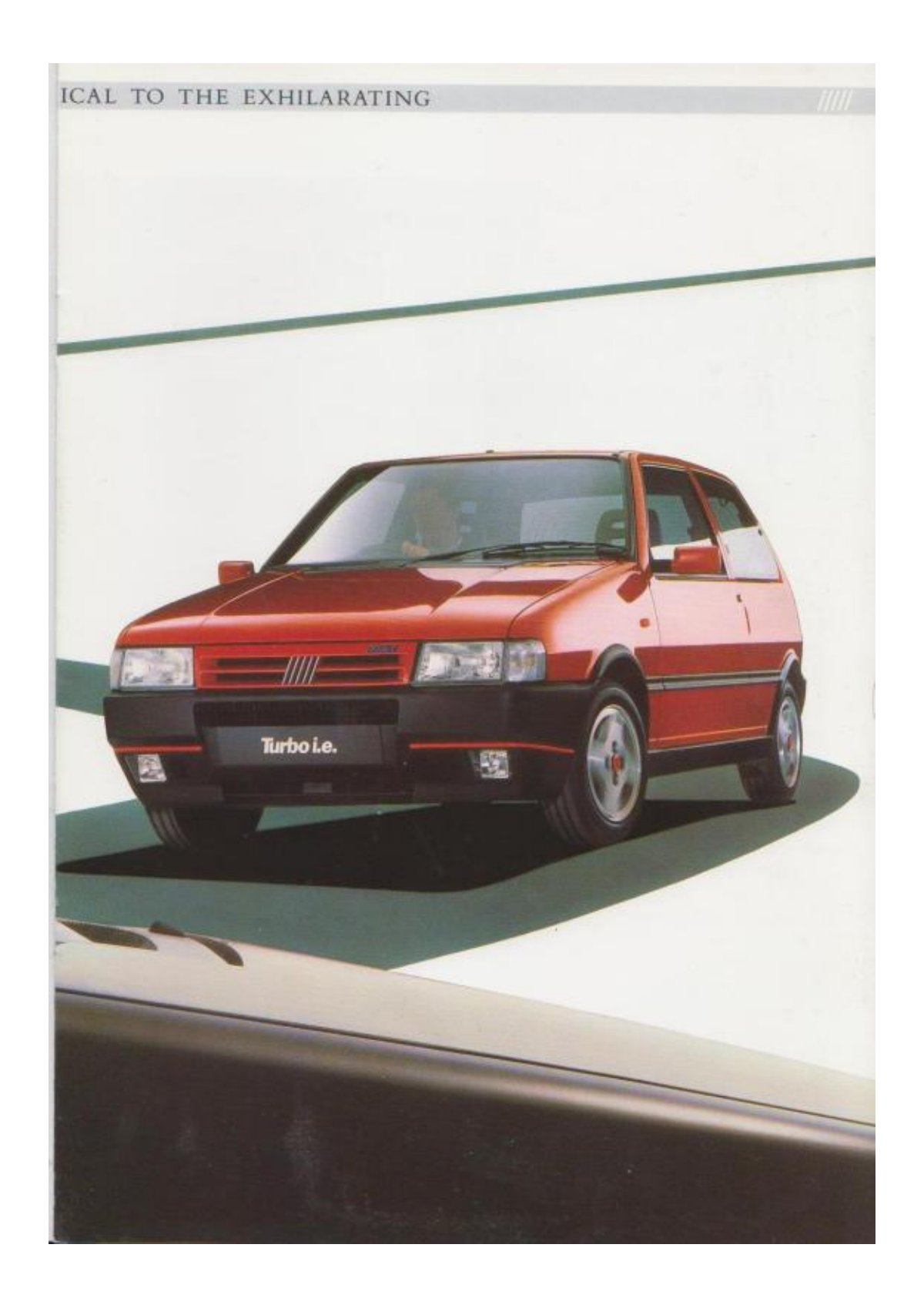
Fiat found its small-car room by building upward. Giorgetto Giugiaro gave the Uno a high roof and an almost vertical tail, keeping useful cabin volume inside a compact outline. The doors wrapped into the roof, removing the visible rain gutters. That detail helped tidy the airflow as well as the appearance; the soft corners and spare surfaces were part of a practical brief, rather than decoration applied after the engineering was finished.
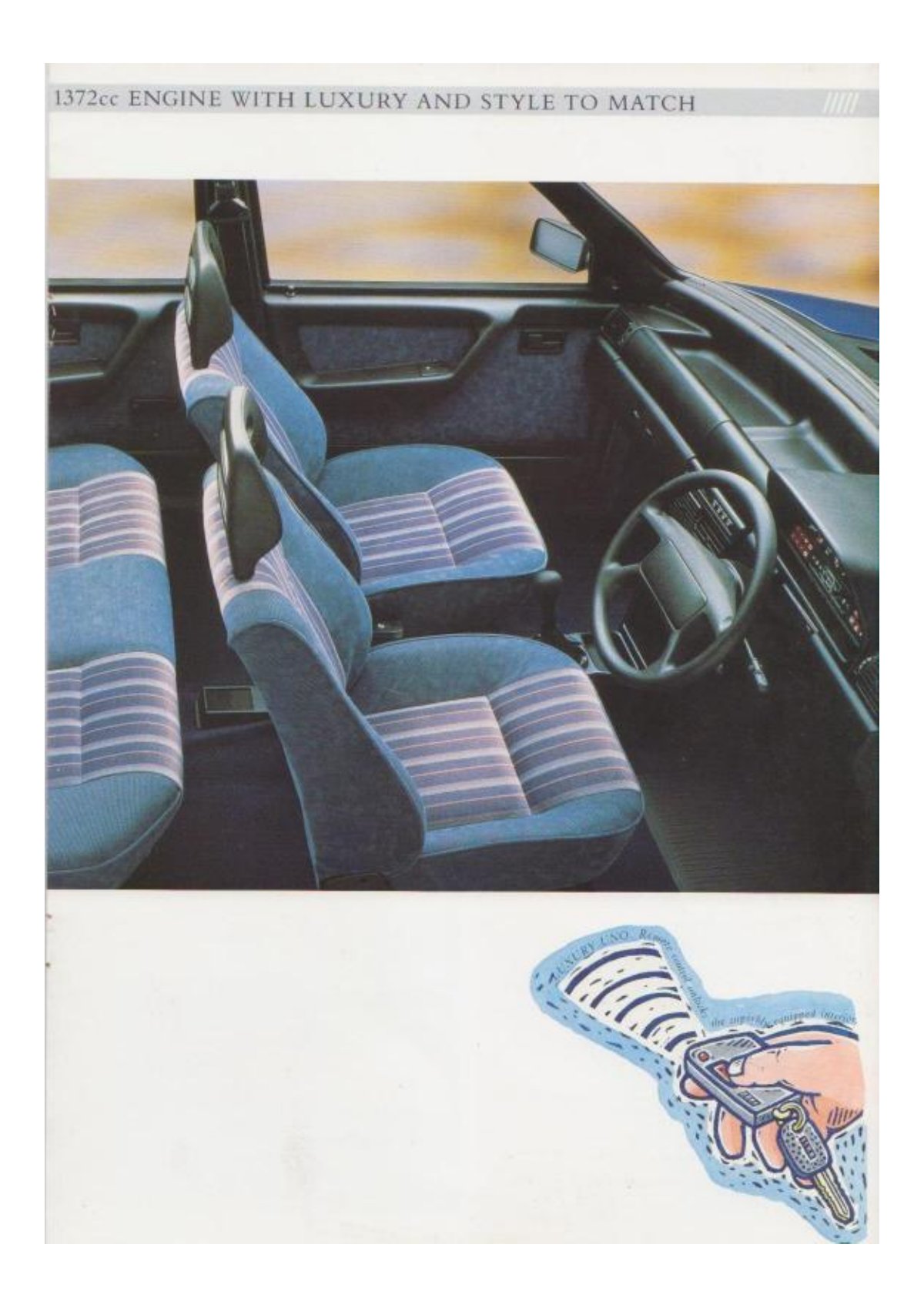
Underneath that sensible shape, the Uno could be quite different cars. The modest 45 FIRE used a 999-cc overhead-cam four, while the later Turbo i.e. had a 1,372-cc fuel-injected engine, turbocharger and intercooler. Cooling the compressed intake air helped the small engine make more power without simply increasing its displacement. The Turbo paired a five-speed manual with four-wheel disc brakes and uprated suspension, including a front anti-roll bar. Those changes gave the hot version more than stripes and alloy wheels to distinguish it from the shopping car.
The Uno's introduction was considerably less modest than its dimensions. Fiat brought the international press to Cape Canaveral in January 1983. Giugiaro's starting point had been a project for an Autobianchi A112 replacement; it became Fiat's new mass-market hatchback instead. The launch setting promised a car from the future, but its most useful design decisions concerned everyday space.
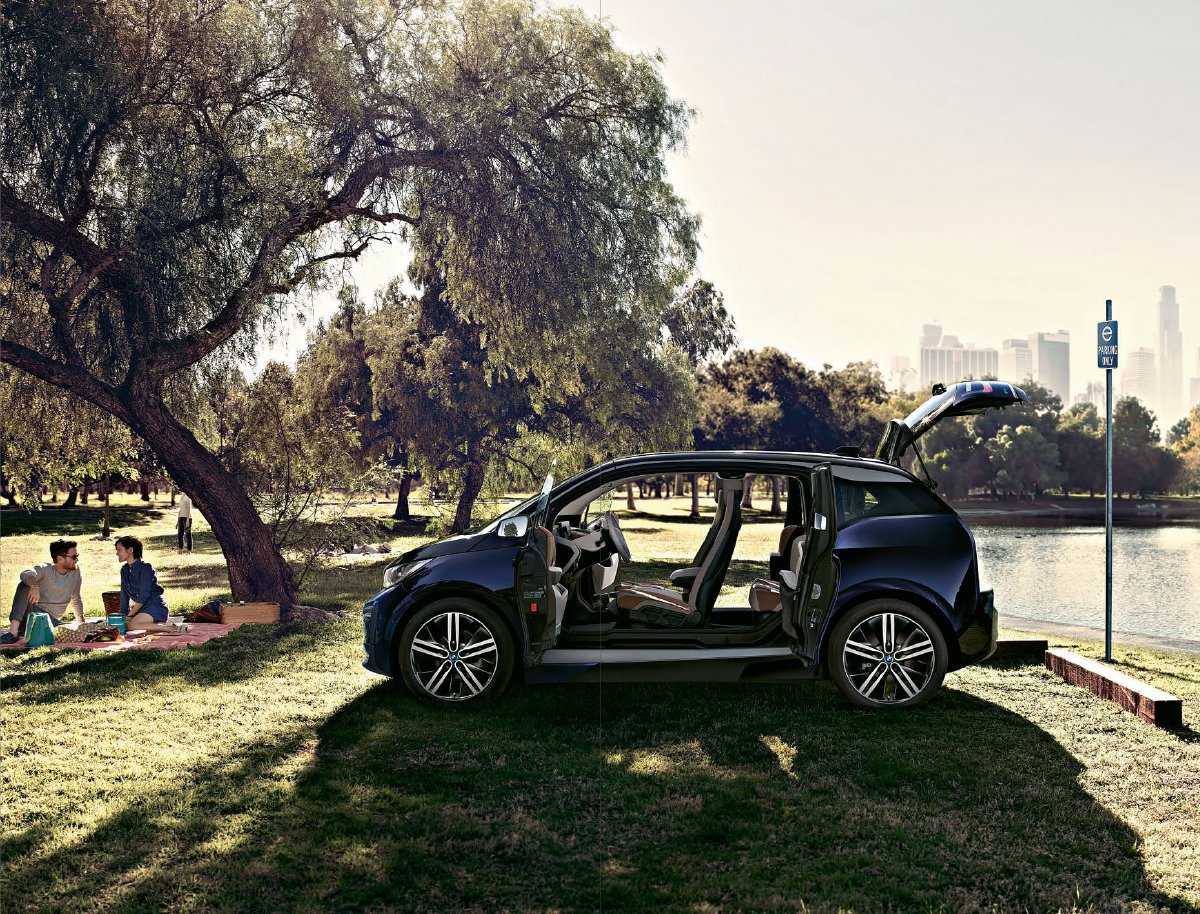
BMW found space in the i3's structure: open both doors on one side and there is no fixed center pillar between them. The carbon-fiber-reinforced passenger cell sits above an aluminum module carrying the battery, suspension and drive components. Separating those jobs let BMW put the heavy battery low down while saving weight in the cabin structure. The rear-mounted motor drives the rear wheels, and there is no central transmission tunnel dividing the front occupants.
The cabin exposes its materials. Instead of covering every surface with conventional trim, BMW used exposed kenaf-fiber components and offered open-pore eucalyptus wood. The eucalyptus's natural resistance to moisture meant it needed less surface treatment; the grain could remain part of the experience. The available Upcycle upholstery used almost entirely recycled polyester, with 34 percent sourced from PET bottles. The range also included Dark Oak trim and natural leather, so buyers could choose a more familiar finish for the same unusual structure.
The production story began with a public assignment. BMW handed the first series-production i3 to German runner Jan Fitschen in September 2013, ready to serve as the lead car for the Berlin Marathon. At Leipzig, wind turbines supplied the electricity for BMW i production. BMW credited the missing conventional metal-body paint process for much of the factory's reduced energy and water use.