In this week's issue, we take a look at the Citroën DS 21, Škoda Felicia, and Chevrolet SSR. We explore the DS’s hydraulic controls, how Škoda reworked the Favorit under Volkswagen ownership, and the folding-roof animation that helped turn Chevrolet’s retro pickup into a running concept.
The classic · 1971
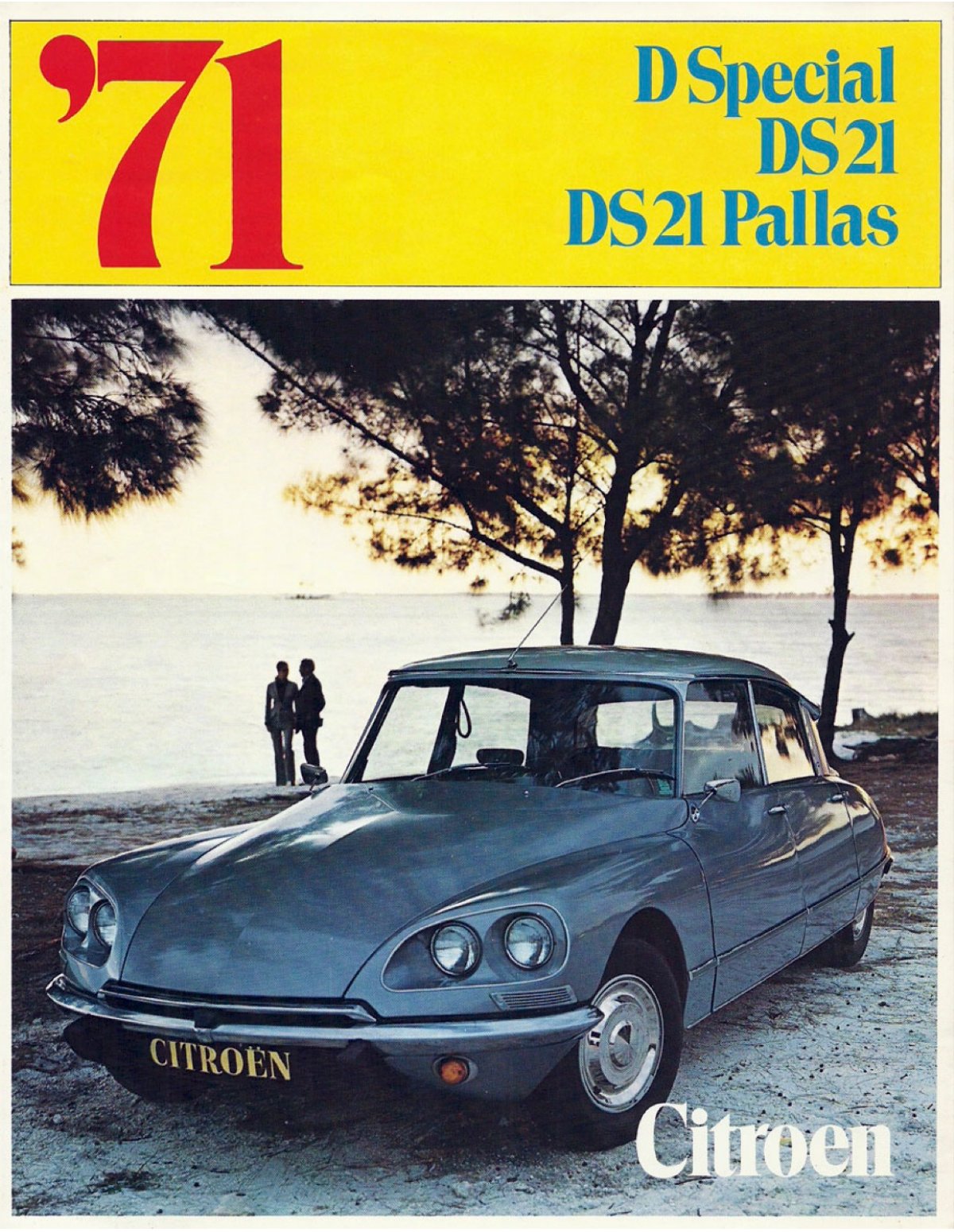
1971 Citroën DS 21
The 1971 Citroën DS 21 carried its passengers on compressed nitrogen rather than conventional steel springs. At each wheel, hydraulic fluid acted against gas separated from it by a flexible membrane; a bump compressed the gas, which supplied the springing. Height correctors kept the body at the same level as passengers and luggage went aboard. The engine-driven hydraulic pump also supplied the brakes and steering, so the suspension was part of a much larger departure from ordinary car engineering.
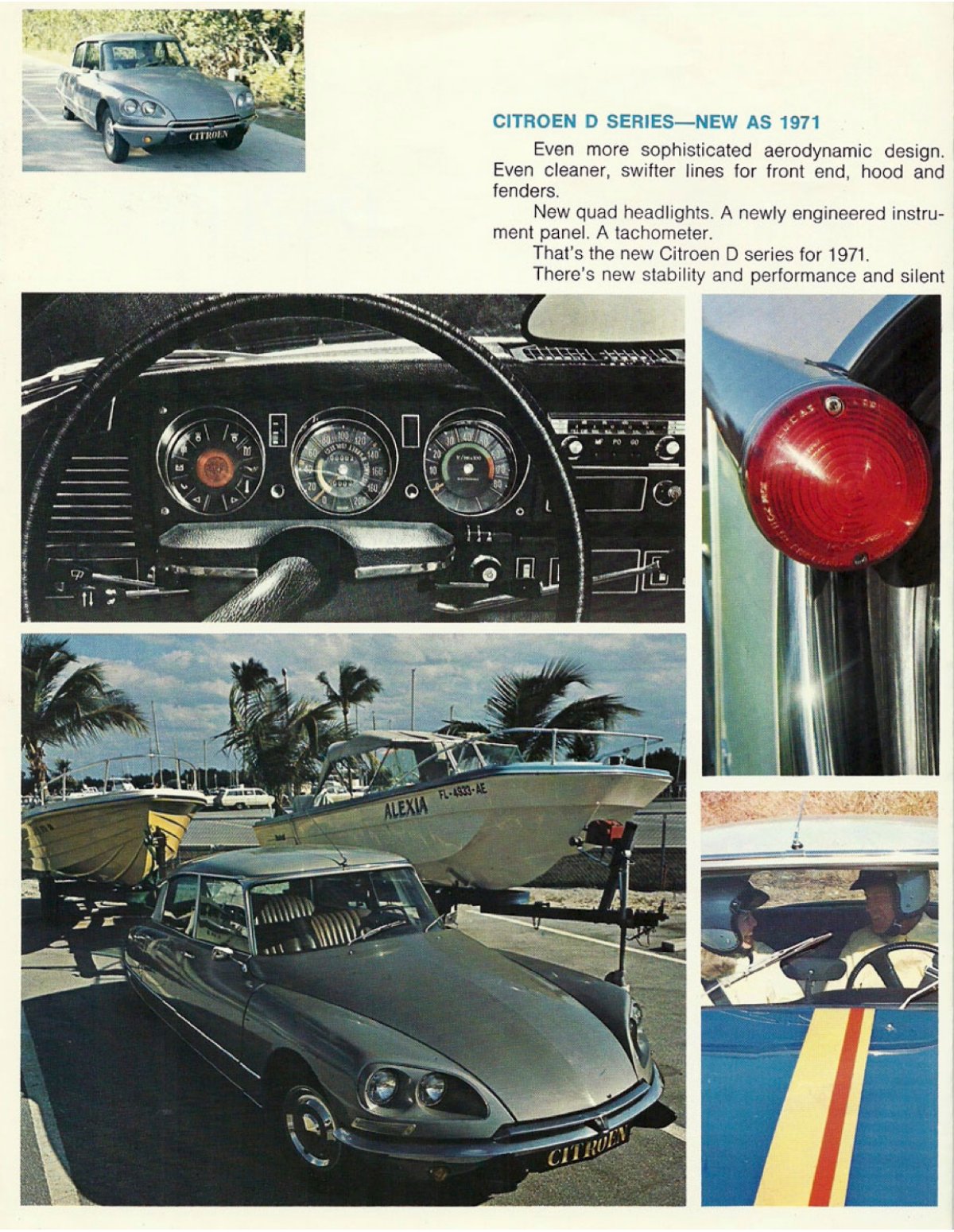
That thinking was visible from the driver's seat. The single-spoke steering wheel left the instruments unusually exposed, but its shape also had a safety purpose. Motor Sport's original 1955 account specifically linked the merged column and spoke to instrument visibility and protection in an impact. By 1971, the wheel sat ahead of a dashboard with three round instruments, including a tachometer. It looked strange because Citroën had reconsidered familiar controls rather than simply restyled them.
The available Citromatic transmission extended the hydraulic system to gear changing: the driver selected ratios with a fingertip lever instead of working a conventional manual shift. On the original 1955 DS, the gear lever even operated the starter. After inspecting that first car, Motor Sport's W.B. wrote that British cars felt like “vintage vehicles dressed-up in modern shells.”
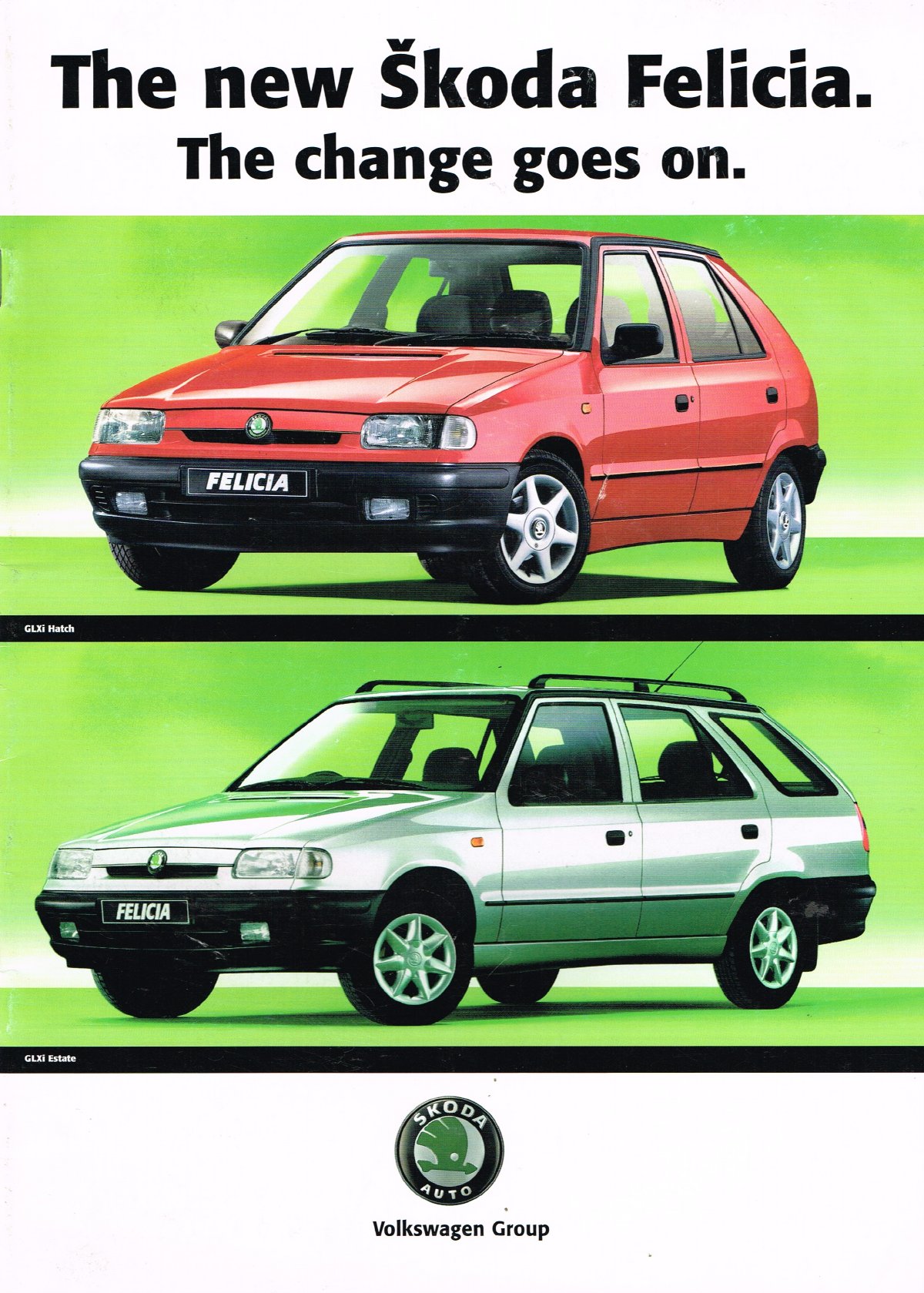
The Felicia arrived wearing Volkswagen Group badges, but underneath it was still a heavily revised Škoda Favorit. Volkswagen had bought into the Czech company in 1991; the new hatchback followed in 1994 with 1,187 newly developed components. Its softer nose and rounded lamps gave the old proportions a less angular face. The body grew slightly longer and wider, gaining luggage room without abandoning the small-car footprint. This was a thorough renovation of Škoda's own design, rather than a Golf with different badges.
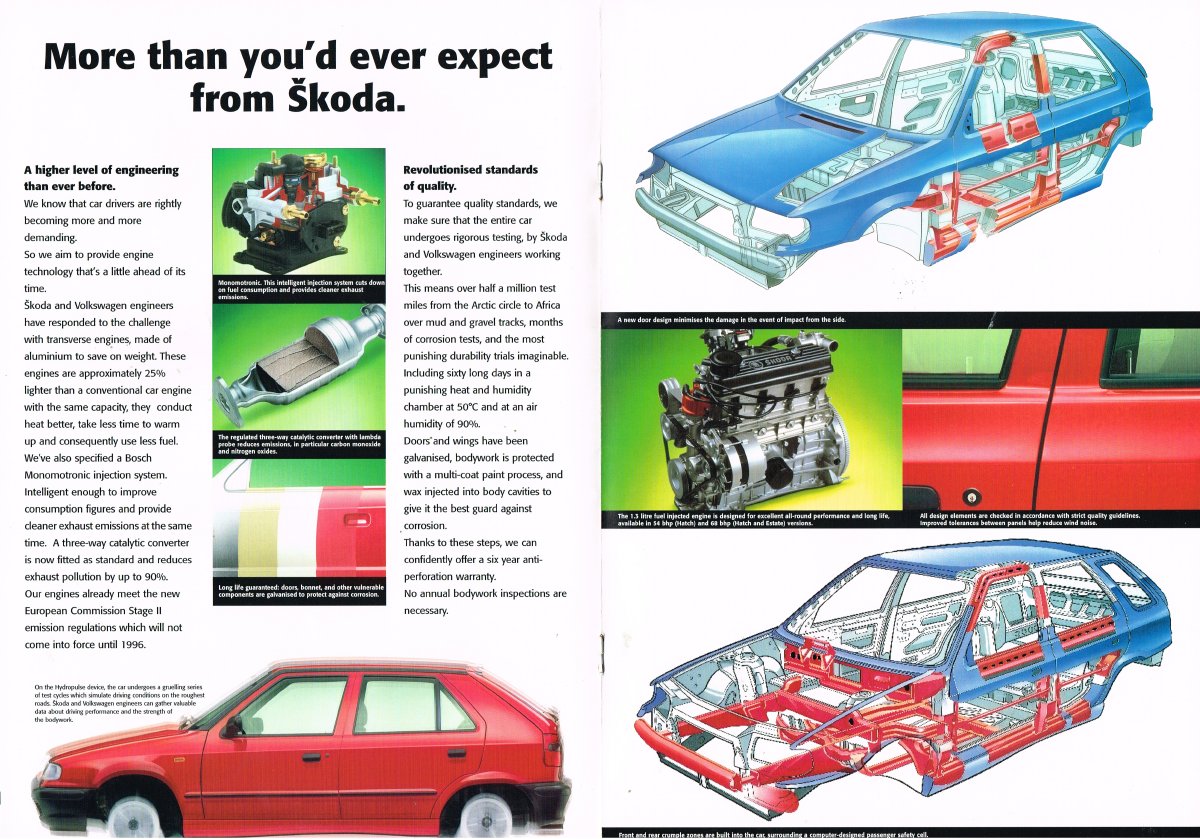
The work went deeper than the sheet metal. A stiffer shell, revised front suspension geometry and an additional rear stabilizer accompanied the restyling. Inside, the dashboard, switchgear, seats and door trim changed too. The 1.3-liter engine used Bosch Monomotronic injection and a three-way catalytic converter with a lambda sensor to control exhaust emissions. Škoda also galvanized vulnerable panels and injected wax into body cavities, backing the effort with a six-year anti-perforation warranty in Britain. The result retained the Favorit's basic layout while bringing quieter running and improved suspension comfort.
At the October 1994 public unveiling, three Felicias appeared on Prague's Charles Bridge in the Czech flag's colors. The mayor christened them with water from the Vltava. Škoda then donated one of the first cars to a family that had just welcomed quadruplets.
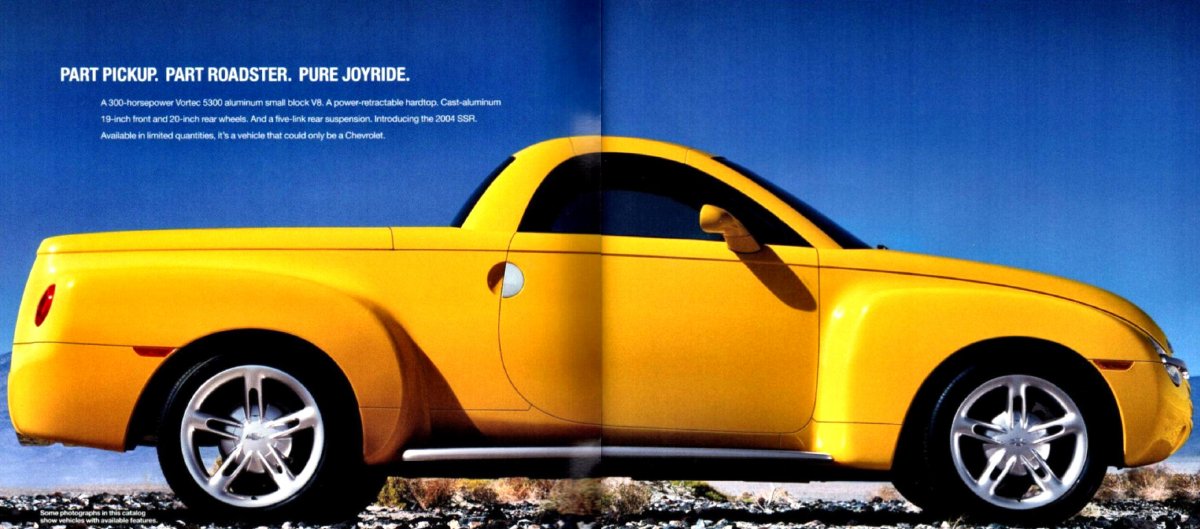
The Chevrolet SSR’s folding roof had to disappear without taking the pickup bed with it. Its two panels moved independently on steel linkages, stacked vertically, and stowed between the cabin and cargo area. The transformation took less than 30 seconds, with the same load space available roof up or down. Underneath the theater, the 2004 SSR had a 300-hp, 5.3-liter V-8 and four-speed automatic; the Corvette-derived 6.0-liter engine belonged to the later version.
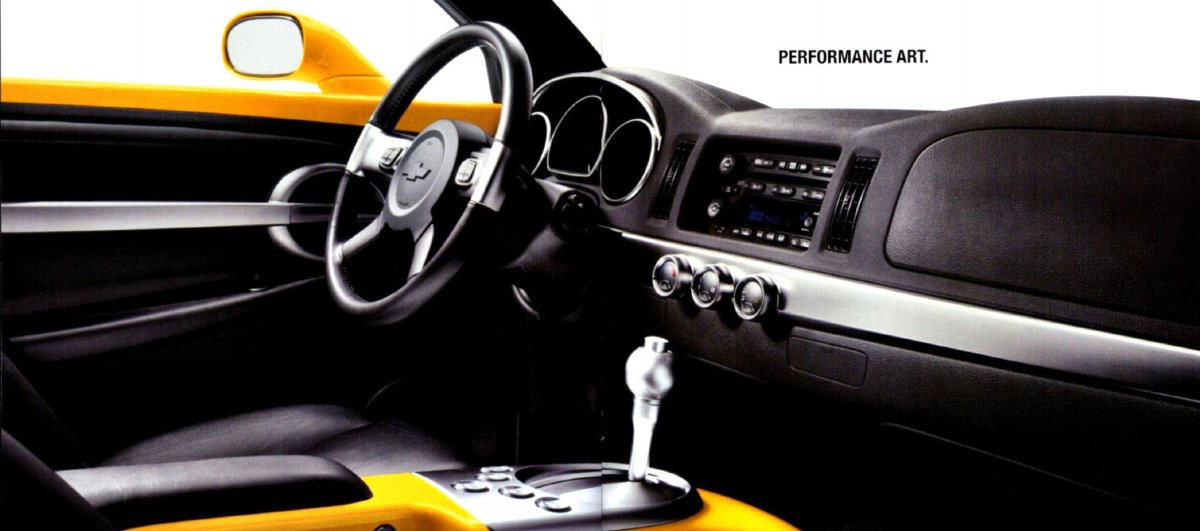
Those swollen fenders and low roof began with GM design chief Wayne Cherry’s wish to reinterpret the early-1950s Chevrolet pickup as a street rod. The designers first explored it digitally, viewing projected models through 3D goggles rather than shaping clay. Production brought compromises: the team had wanted a low Cadillac sedan chassis, but the SSR grew taller on shortened TrailBlazer underpinnings. Inside, the broad metallic dash strip and body-color console carried the custom-truck idea into a thoroughly modern cockpit.
The roof helped sell the project before anyone had engineered it. At a September 1999 leadership review, an animation showed the truck rotating and lowering its top. Executives asked whether it could run at the coming Detroit show; Cherry said yes. The team then had just three months to turn that demonstration into a running concept with a working retractable hardtop.