In this week's issue, we take a look at the Dodge Charger, Holden Ute, and Mazda RX-8. We explore the Charger's hidden headlights and fastback-looking roof, the suspension and seating that made Holden's utility useful, and the rotary packaging behind Mazda's four-seat sports car.
The classic · 1968
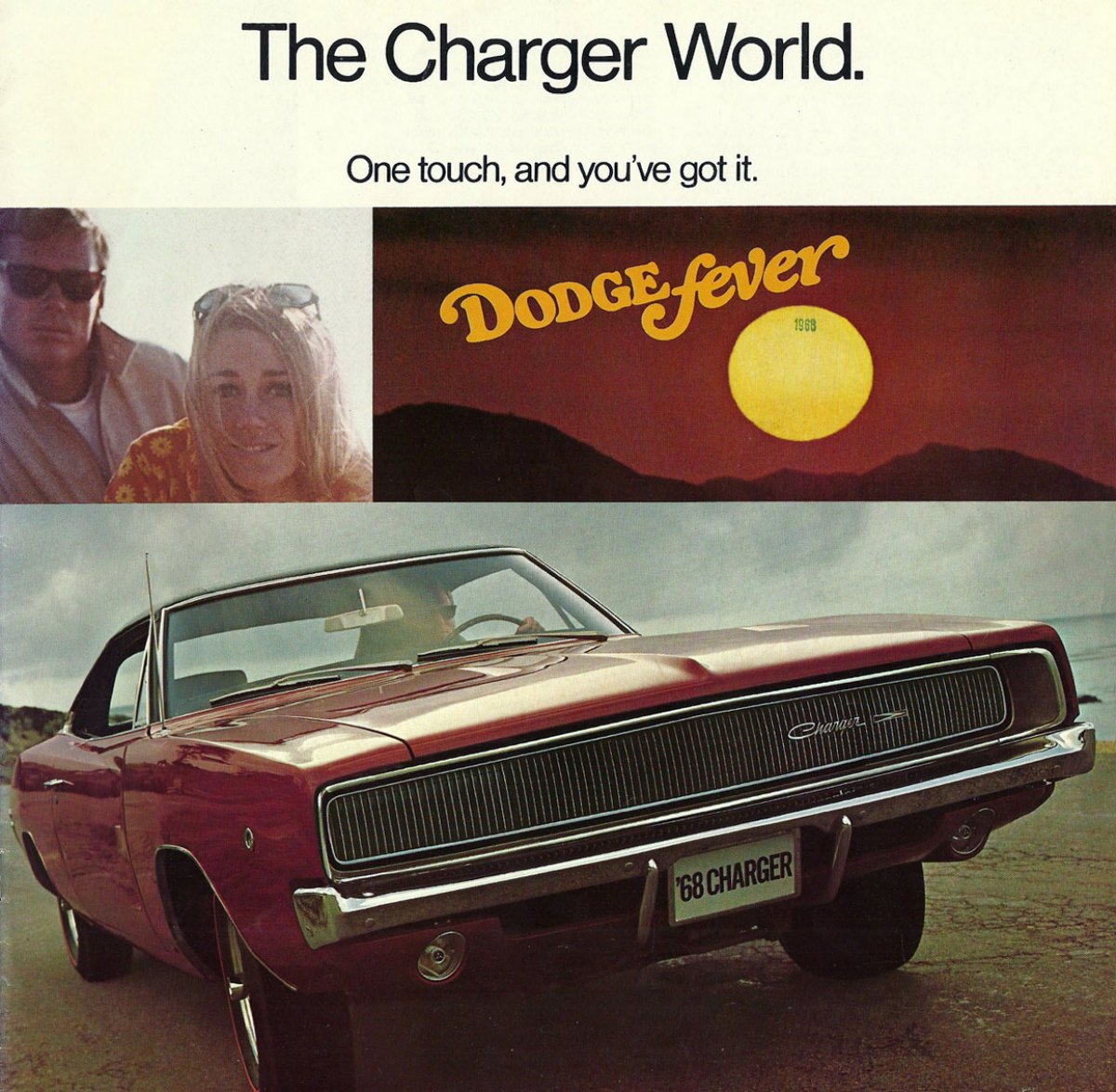
1968 Dodge Charger
The 1968 Charger's unbroken grille almost lost the hardware that made it possible: product planners wanted to delete the concealed headlights to save money. Instead of rotating the whole lamp assemblies as the first Charger had, the new car hid its lights behind vacuum-operated doors. Engine vacuum supplied a reservoir and actuators, with the headlight switch controlling the doors. Switch on the lights and the grille opened; switch them off and the covers closed again.
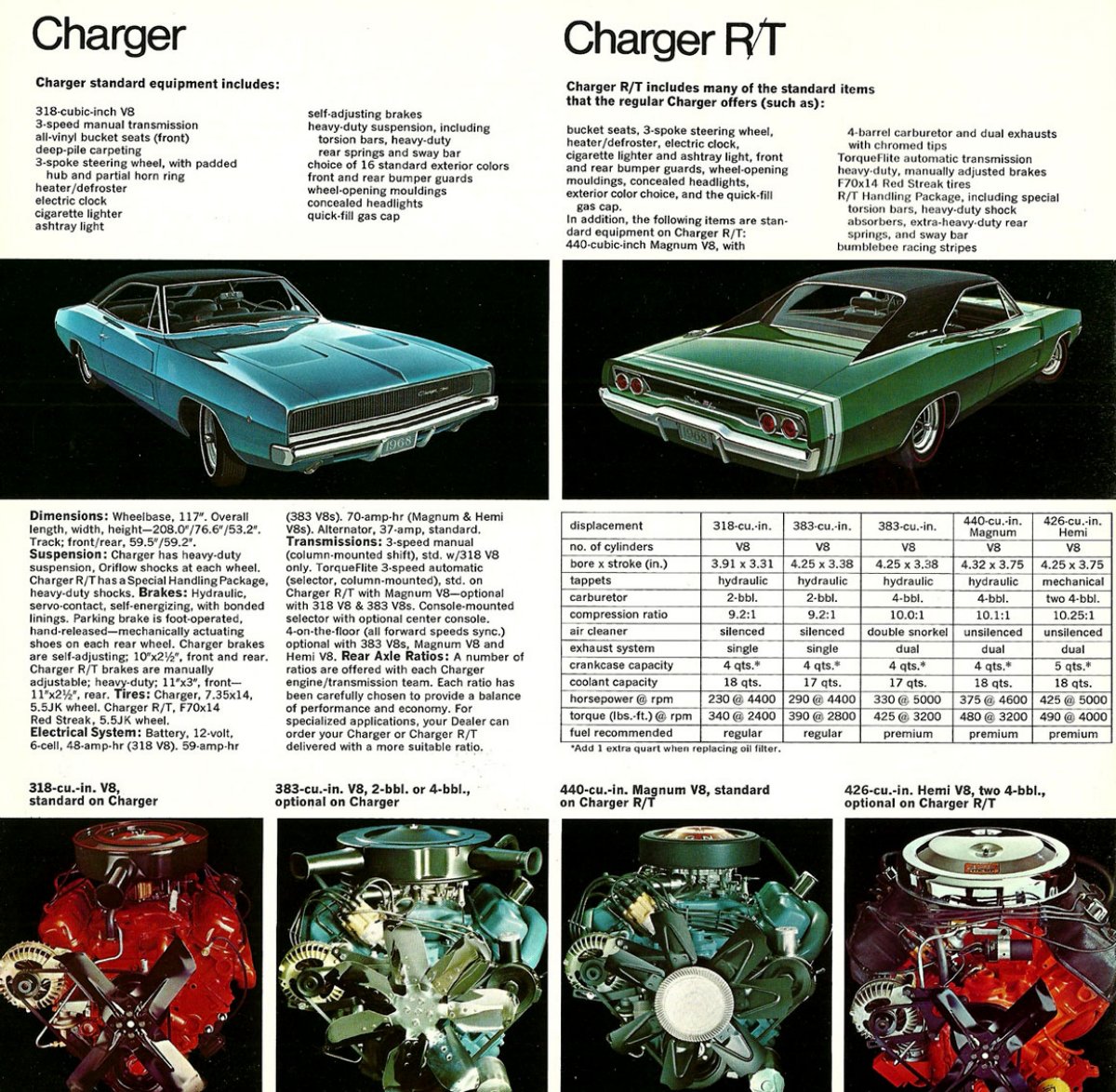
Designer Diran Yazejian recalled that the team mocked up both treatments, using a large mirror at the car's centerline to compare the faces with and without concealed lamps. Dodge vice president Bob McCurry inspected them, said "Keep 'em," and left. The mechanism survived as standard equipment, even on the regular Charger with its 318-cubic-inch V8, rather than becoming an expensive R/T-only distinction.
The roof concealed another compromise. Styling chief Bill Brownlie wanted a fastback; product-planning chief Burt Bouwkamp resisted the cost of finishing an exposed luggage compartment. Broad sail panels extended behind a recessed rear window, giving the roof its fastback outline while retaining a separate trunk. That is why the car looks so different from the side and from directly behind. Its sweeping profile did not require the previous Charger's cabin-to-trunk opening.
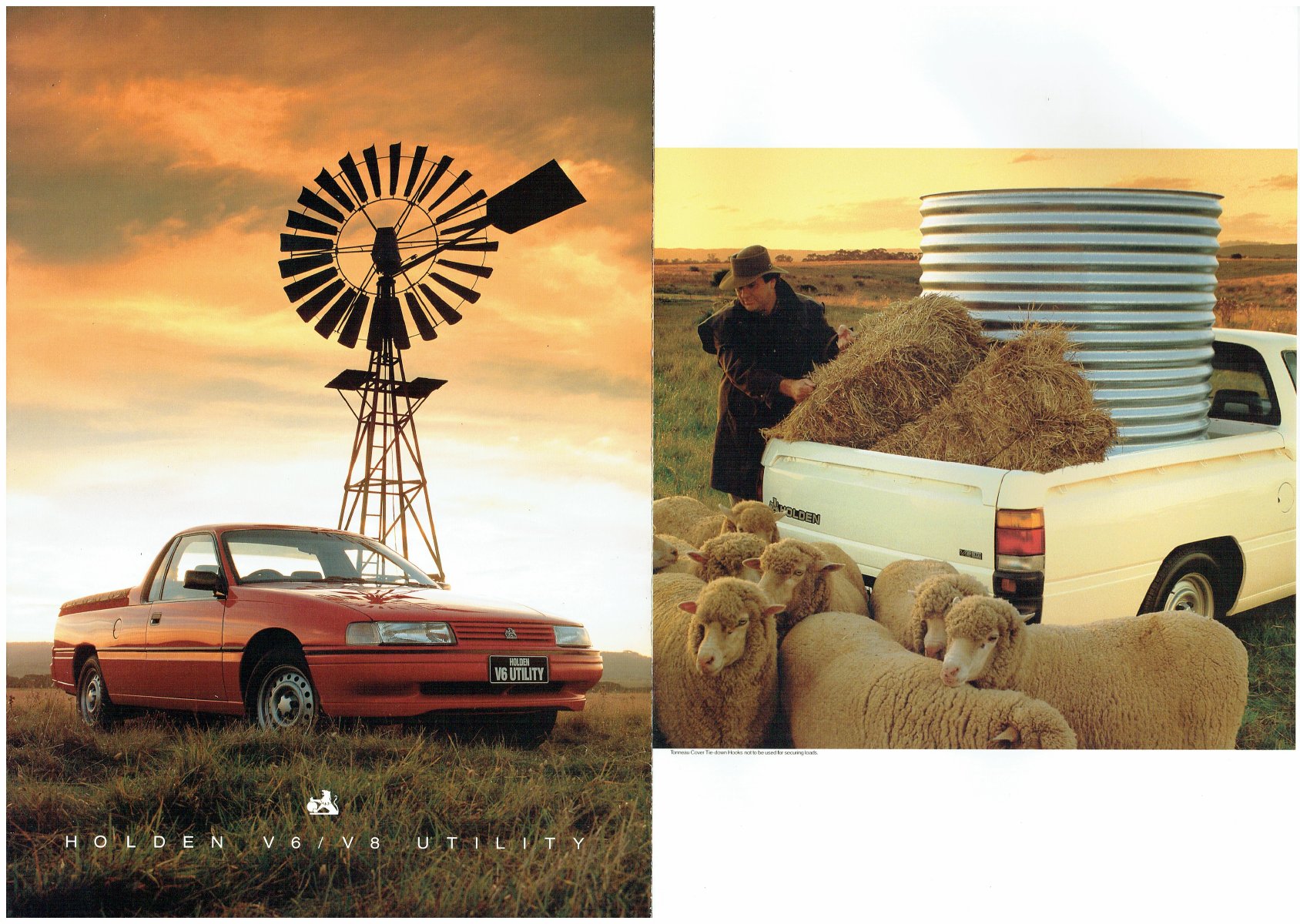
Holden's 1990 Ute hid its most consequential departure beneath the load bed: coil springs replaced the leaf springs used by earlier Holden utilities. The VG borrowed the long-wheelbase Commodore wagon's rear suspension, adding helper springs for carrying work. Its live axle was located by links rather than leaf springs; progressive-rate coils and auxiliary springs let the suspension accommodate changing loads. Four-wheel disc brakes included a load-sensing pressure-proportioning valve, so the braking system also took account of what was in the back.
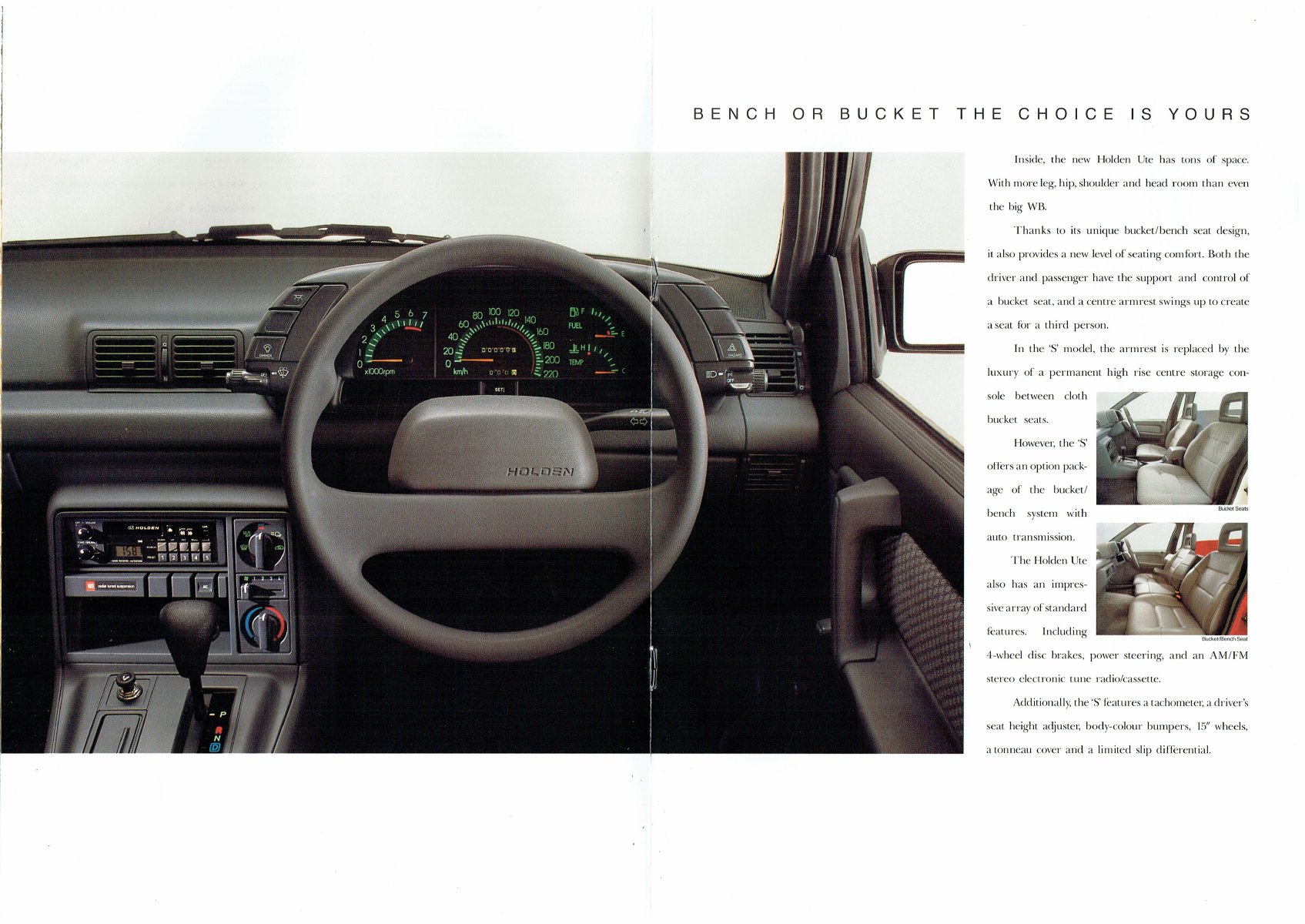
The familiar Commodore nose could make this look like a sedan with its roof cut off, but the cabin had a raised roofline and the platform used the longer wheelbase. Holden offered a bucket/bench seat whose center armrest lifted to make room for a third person. The S normally exchanged that arrangement for cloth buckets and a fixed console; its optional bucket/bench package came with a column-shift automatic. Those choices changed how the vehicle could be used, not just how plush it felt.
There had been no locally designed Holden ute since the WB ended in 1984; the Isuzu-sourced Rodeo had filled the gap. The VG brought the passenger-car-based utility back with a 3.8-liter V6 and an optional 5.0-liter V8 for the S. Despite the Commodore ancestry, Holden sold it simply as the Ute.
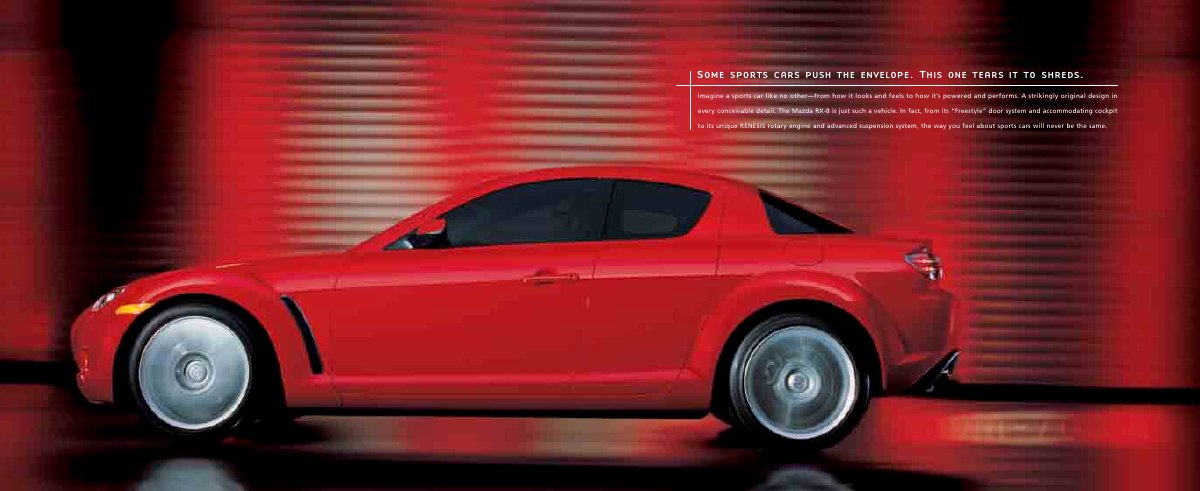
Mazda found room for four people without abandoning the low hood of a sports car. The RX-8's compact RENESIS rotary sat lower and farther back than the RX-7's engine, helped by the absence of the earlier car's twin turbochargers and plumbing. That packaging let Mazda keep the hood and instrument panel low while lowering the seats; shaping the front seatbacks and positioning their runners carefully helped preserve knee and foot room behind them.
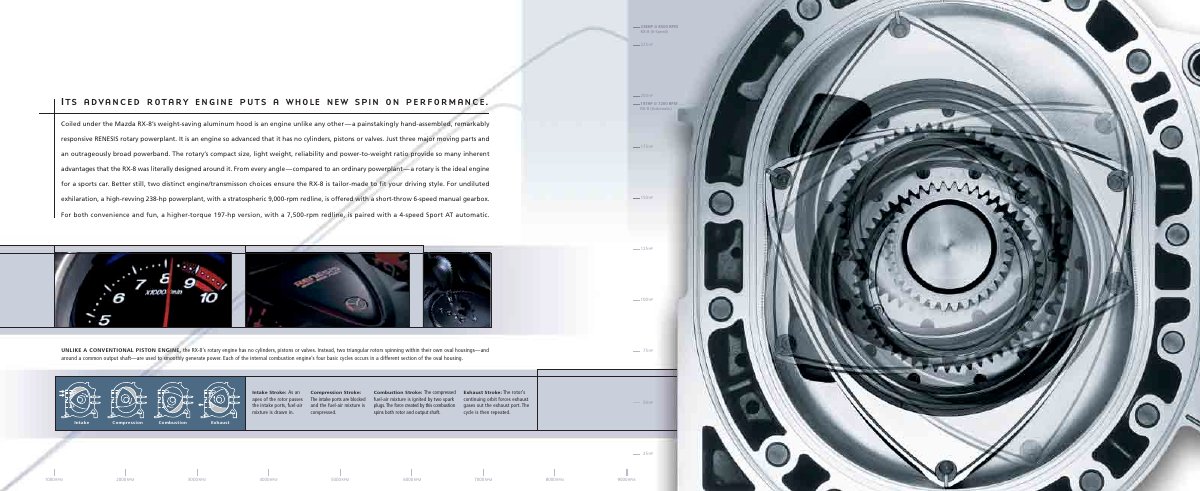
The engine's important change was less visible. Mazda moved the exhaust ports into the side housings, eliminating overlap between intake and exhaust opening and reducing emissions. Two rotors performed the combustion cycle around a common output shaft, without conventional pistons or a valvetrain. In this US version, the six-speed manual came with 238 horsepower and a 9,000-rpm redline; the four-speed automatic used a 197-horsepower version with a lower redline.
Getting into those rear seats required another structural decision. The rear-hinged back doors opened away from the fronts without a fixed center pillar between them. High-strength vertical reinforcements inside the rear doors acted as pillars when shut, while locking pins tied the doors into the roof and floor. Mazda called the arrangement Freestyle, but the open-sided appearance depended on substantial hidden reinforcement. The door aperture and the low nose were both engineering decisions you could see.