In this week’s issue, we take a look at the Buick Riviera, Lotus Excel, and Ford GT. We explore the mechanism behind Buick’s hidden headlights, the Toyota connection beneath the Lotus, and the engineering behind the GT’s roof-cut doors.
The classic · 1965
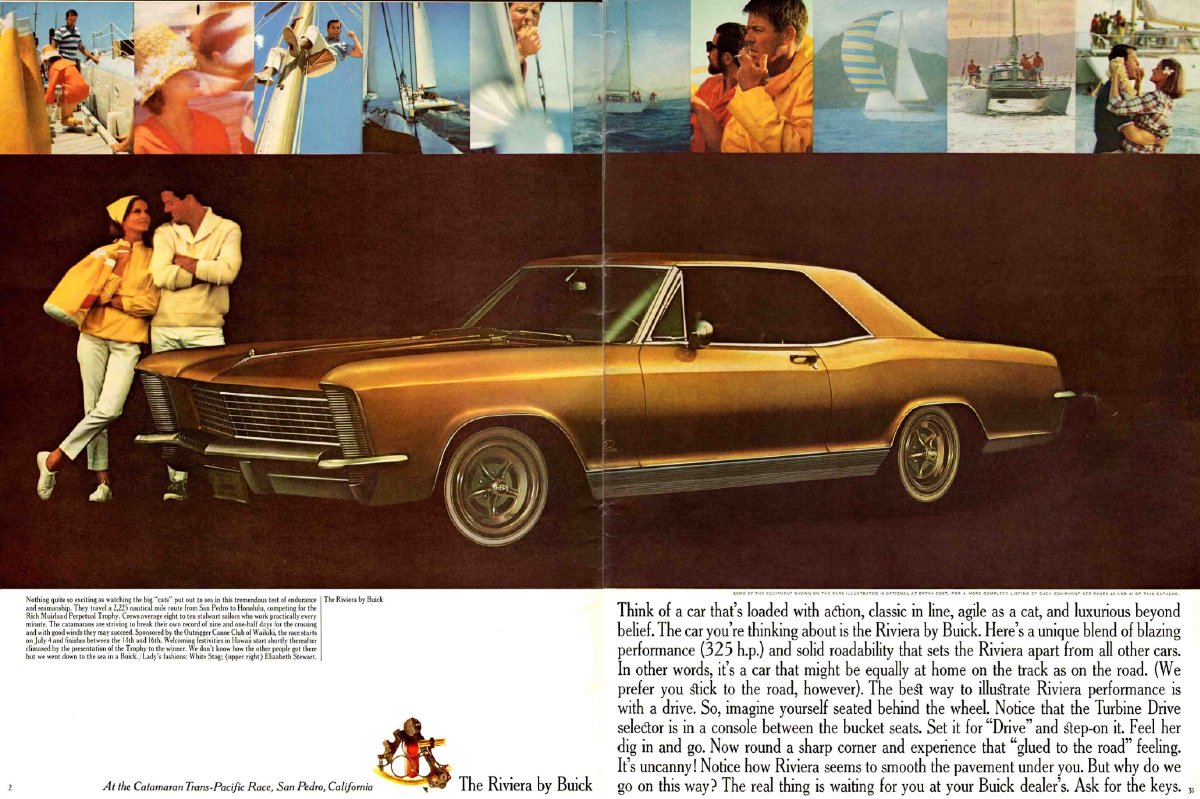
1965 Buick Riviera
The 1965 Buick Riviera finally got the disappearing headlights Bill Mitchell had wanted from the start. Body engineers had rejected them for the original car because developing the mechanism would take too much time and money. Designer David Holls later explained the visual problem: exposed lamps competed with the vertical grilles at the tips of the fenders. For 1965, the lights moved behind those grilles, leaving the broad central opening uninterrupted.
Each ribbed cover split horizontally, its halves swinging apart to expose two stacked headlights. One electric motor behind the front bumper drove all four doors through linkages; this was not a vacuum-operated system. The elegant result depended on an unglamorous maintenance detail. If the operating arms weren't kept lubricated, resistance could burn out the motor. Holls recalled the packaging constraint: the team couldn't change the front fenders to make its job easier.
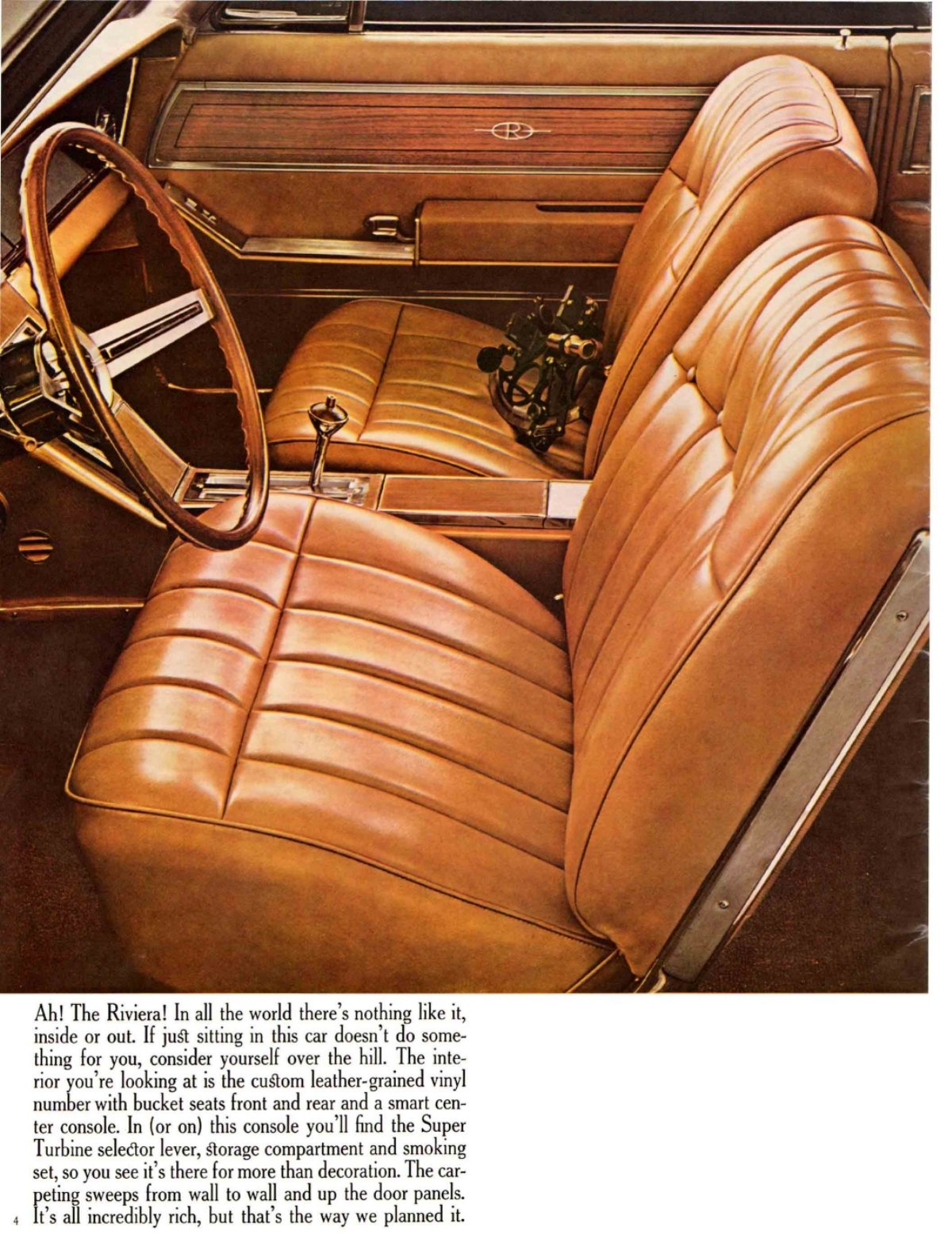
Inside, the pictured custom upholstery was leather-grained vinyl, with individual seats and a console carrying the transmission selector. Buyers wanting more than the touring-car treatment could order the new Gran Sport option, including a 425-cubic-inch V8 with twin four-barrel carburetors and a shorter rear-axle ratio. But the firmer suspension and faster steering were a separate choice, not automatically part of the Gran Sport package. Buick let buyers add engine performance without committing to the stiffer chassis.
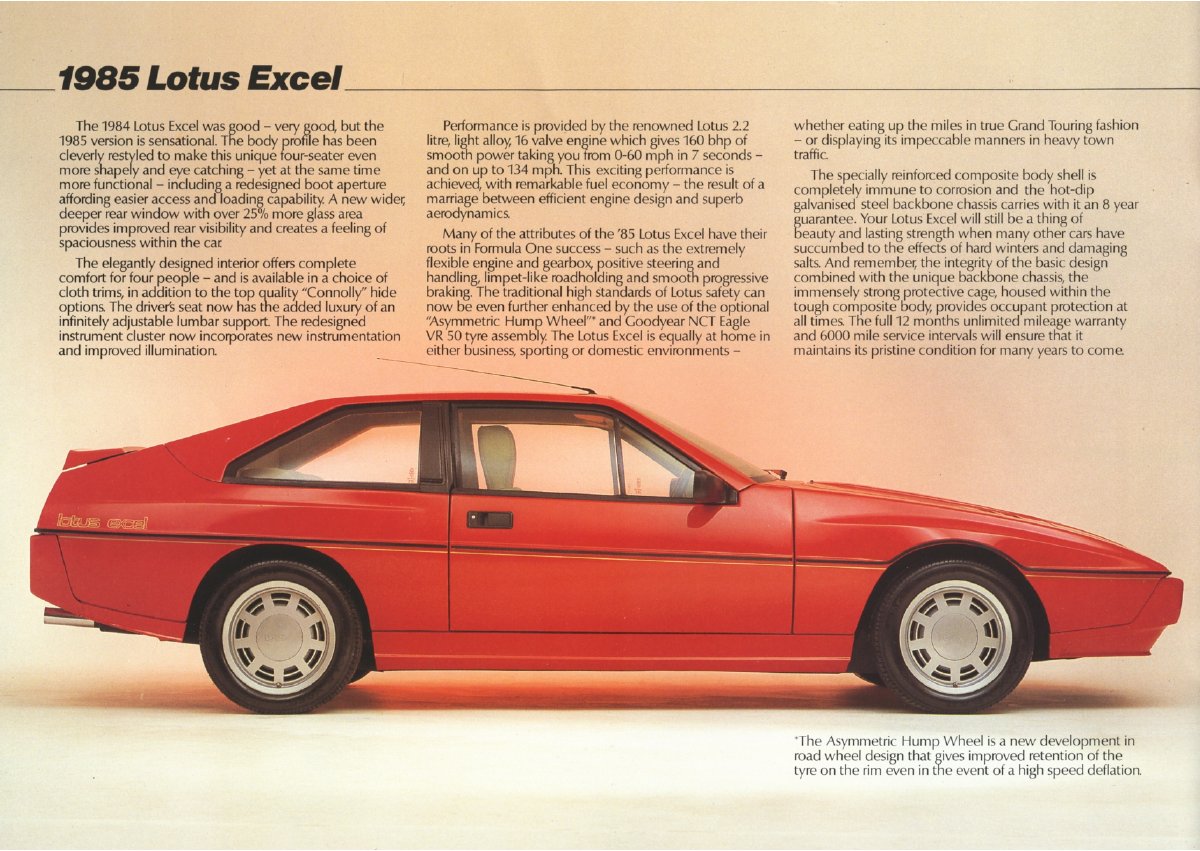
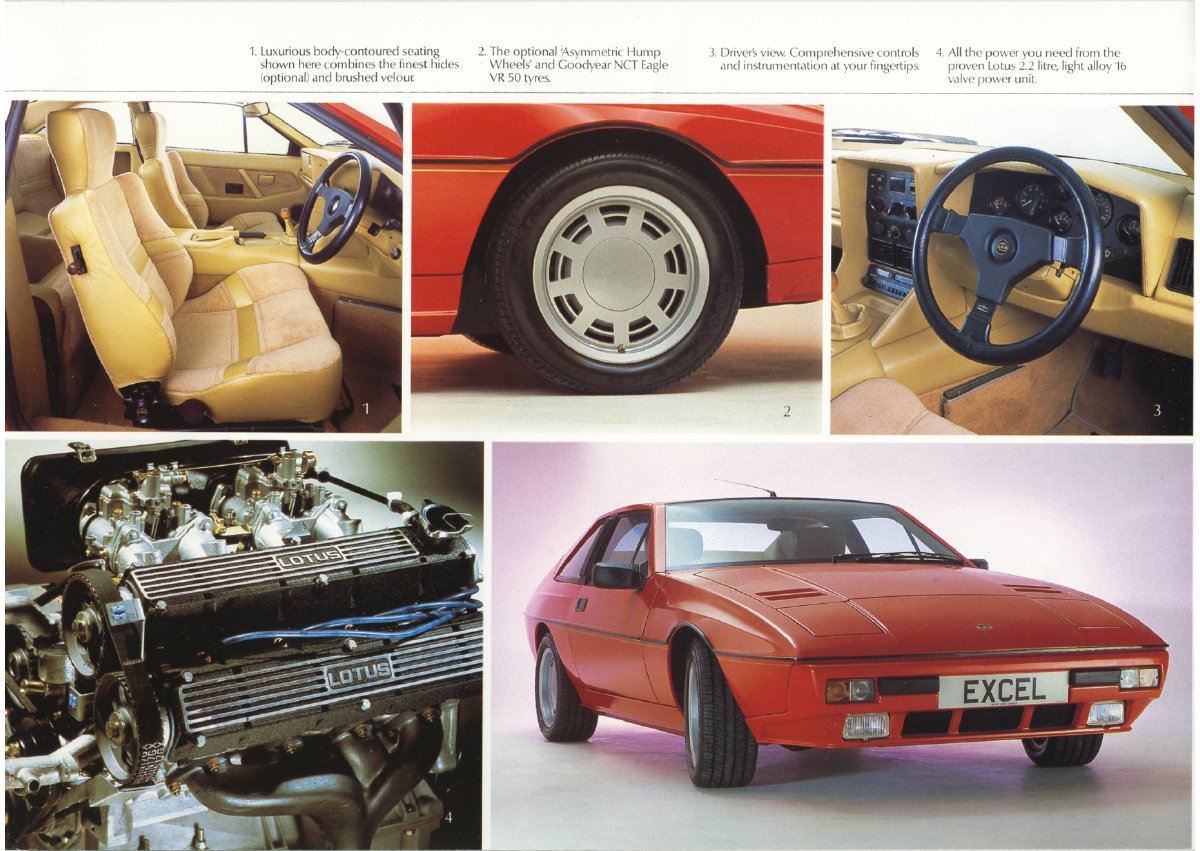
The Lotus Excel paired its wedge-shaped British body with a surprising amount of Toyota hardware. A Toyota five-speed gearbox, differential, driveshafts and disc brakes worked with Lotus's own 2.2-liter, 16-valve four. The 160-bhp engine stayed up front, leaving room for rear seats. Lotus also replaced the Éclat's Chapman-strut rear suspension with an arrangement using upper links and lower wishbones to locate each rear wheel, following the mid-engined Esprit's layout.
The 1985 changes addressed a less glamorous problem: seeing out and getting luggage in. A wider, deeper rear window supplied over 25 percent more glass area, while a redesigned trunk opening made loading easier. The sloping roof and rising tail still gave the car its distinctive profile. Inside, the driver gained adjustable lumbar support and revised instruments. The pictured seats mixed optional leather with brushed velour; the pale upholstery made an unexpectedly plush setting for that angular dashboard.
The Toyota connection grew from an engineering partnership negotiated by Colin Chapman: Lotus supplied handling expertise and gained money and components. The Excel arrived in October 1982, just two months before Chapman's death. It was an evolution of the Éclat, but the savings were tangible: the new car launched £1,100 cheaper than its predecessor. Buying proven parts let a small manufacturer improve its grand tourer while lowering the price.
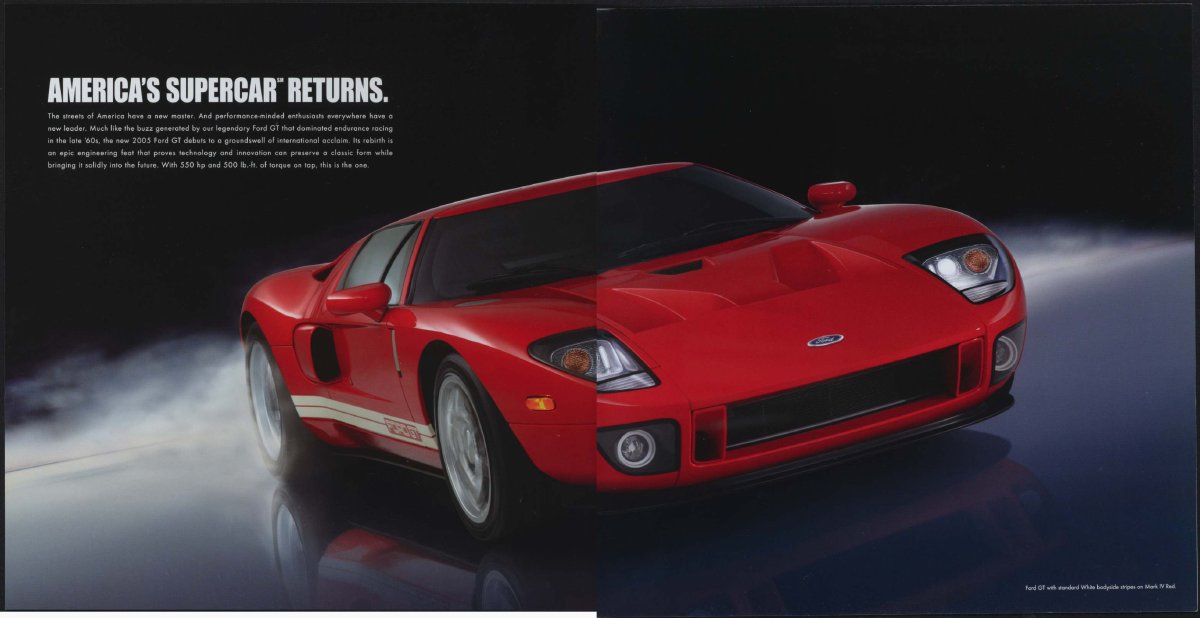
The Ford GT's doors took a section of roof with them when they opened, as the old racing cars' doors had. Preserving that outline created an awkward production problem: the show car's windows were fixed, but buyers needed glass that could disappear into those curving doors. Engineers used computer simulations, then adjusted the exterior shape and interior packaging until the windows could retract. Looking like the original required changes beneath the silhouette.
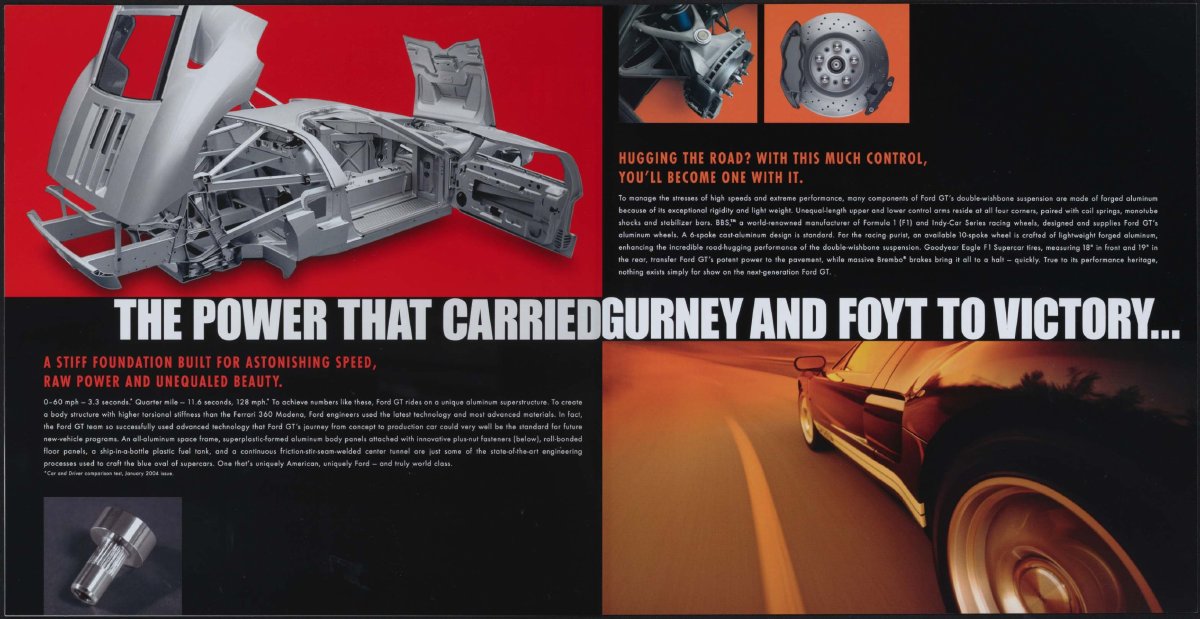
The doors themselves needed an unusual manufacturing process. Rather than assemble numerous stamped pieces or resort to laborious coachbuilding, Ford used superplastic forming: air pressure pushed heated aluminum against a one-sided die. That produced single-piece inner and outer door panels, subsequently joined together. An aluminum space frame supported the body, while the center tunnel housed a plastic fuel tank. The cabin's broad divider therefore concealed more than the gear lever and parking brake.
The program's deadline was tight. Ford committed to production just 45 days after showing the non-running concept at Detroit in 2002, then wanted production versions ready for its centennial celebrations sixteen months later. Engineers started with an exterior Ford described as only five percent production-feasible. Their task was to fit the working car inside that promise, including a mid-mounted V8 and six-speed transaxle that went into the first chassis without a hitch after virtual installation tests.