In this week's issue, we take a look at the Jaguar E-Type, Saab 90, and Cadillac XLR. We trace the E-Type's unplanned coupe roof, Saab's reversed bodywork proposal, and the hidden wood and unusual shakedown behind Cadillac's roadster.
The classic
Jaguar E-Type
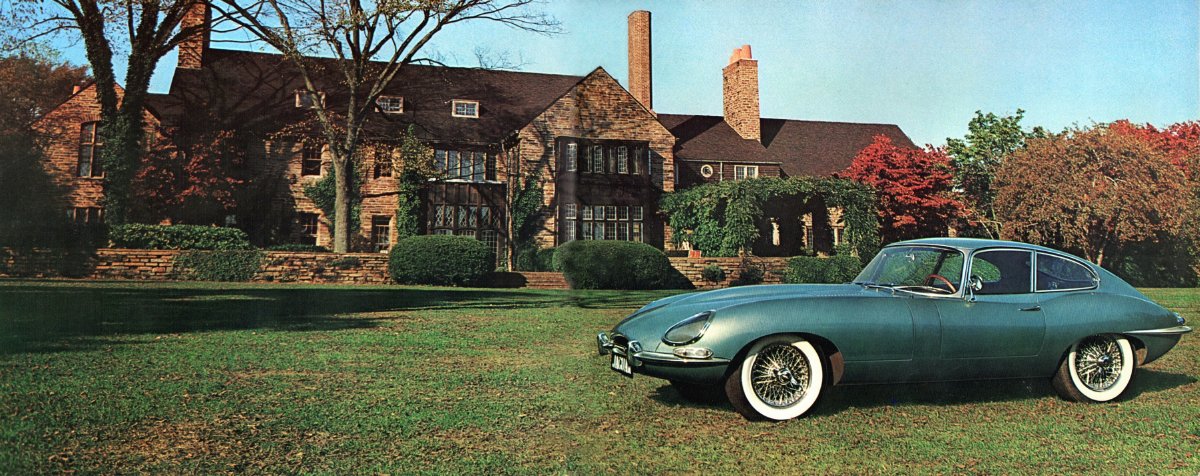
The E-Type's coupe roof wasn't in William Lyons' original plan. Jaguar was going to build a roadster, and metalworker Bob Blake had already made its body from Malcolm Sayer's calculations. Then Blake built another body, adding a roof, rear wings and a rear door. Lyons liked what he saw and approved it for production. That sweeping fastback had a practical side, too: its large rear door opened onto luggage space extending right behind the seats.
Sayer was an aerodynamicist, but his work began with sketches rather than equations. An artist as well as an engineer, he drew cars full-size in chalk on the floor before doing the calculations. He had already shaped the Le Mans-winning C-Type and D-Type. The E-Type's long hood and tightly drawn cabin came from someone who could work with both a pencil and the mathematics.
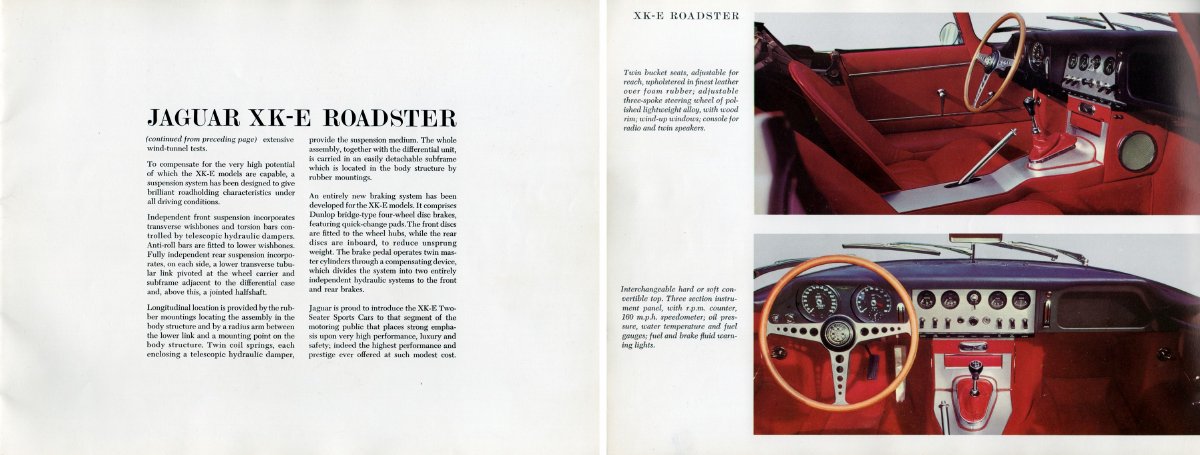
Someone still had to get at the machinery beneath that bodywork. The entire nose hinged forward, giving access to the engine and front suspension on their tubular subframe ahead of the stressed steel body shell. At the back, halfshafts helped locate the independently suspended wheels. The differential and rear suspension shared a detachable, rubber-mounted subframe. The big opening nose and removable rear assembly made the mechanical parts easier to reach.
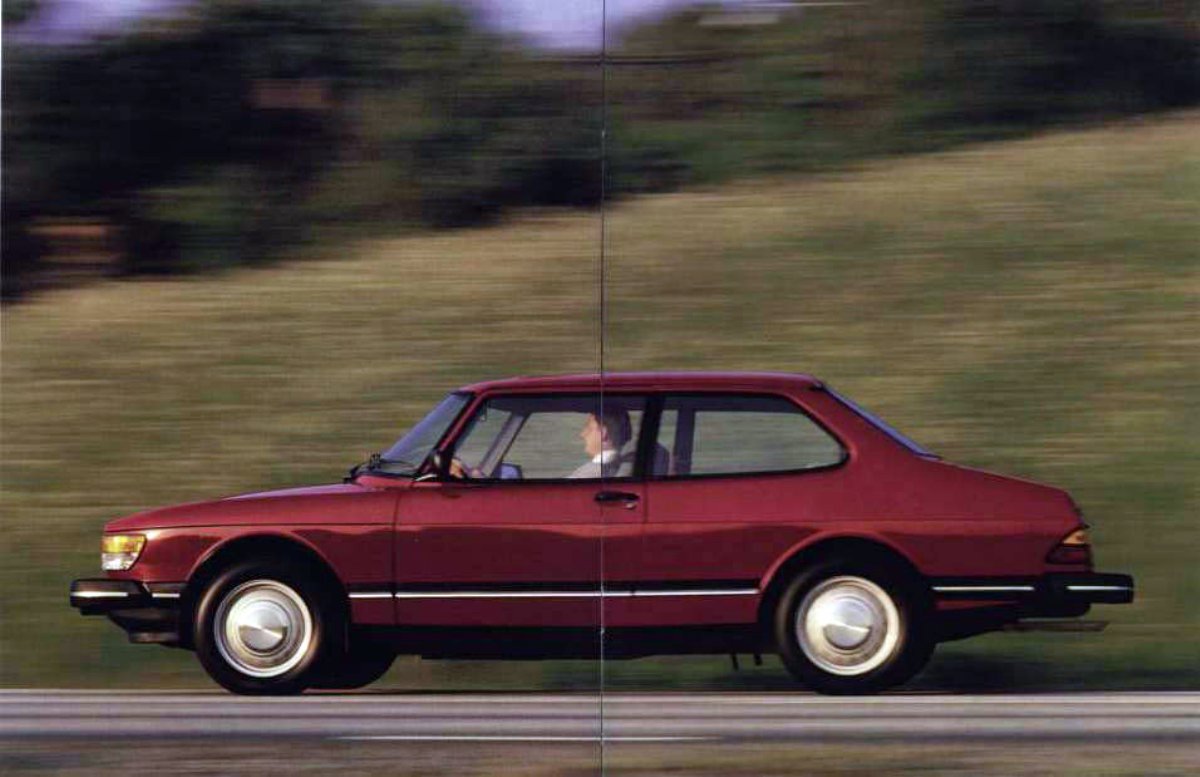
The E-Type gained a roof; Saab’s cheapest model began with its halves the wrong way around. Saab needed an affordable entry model, but had little money to develop one. Finnish builder Valmet proposed combining the front of a 900 with the rear of the aging 99. Saab’s Sten Wennlo thought that looked too much like a 900, so illustrator Rony Lutz mocked up the reverse. The production 90, introduced in 1984, kept the 99’s short nose and adopted the 900 sedan’s longer tail. Its two generations of bodywork are easy to spot in profile.
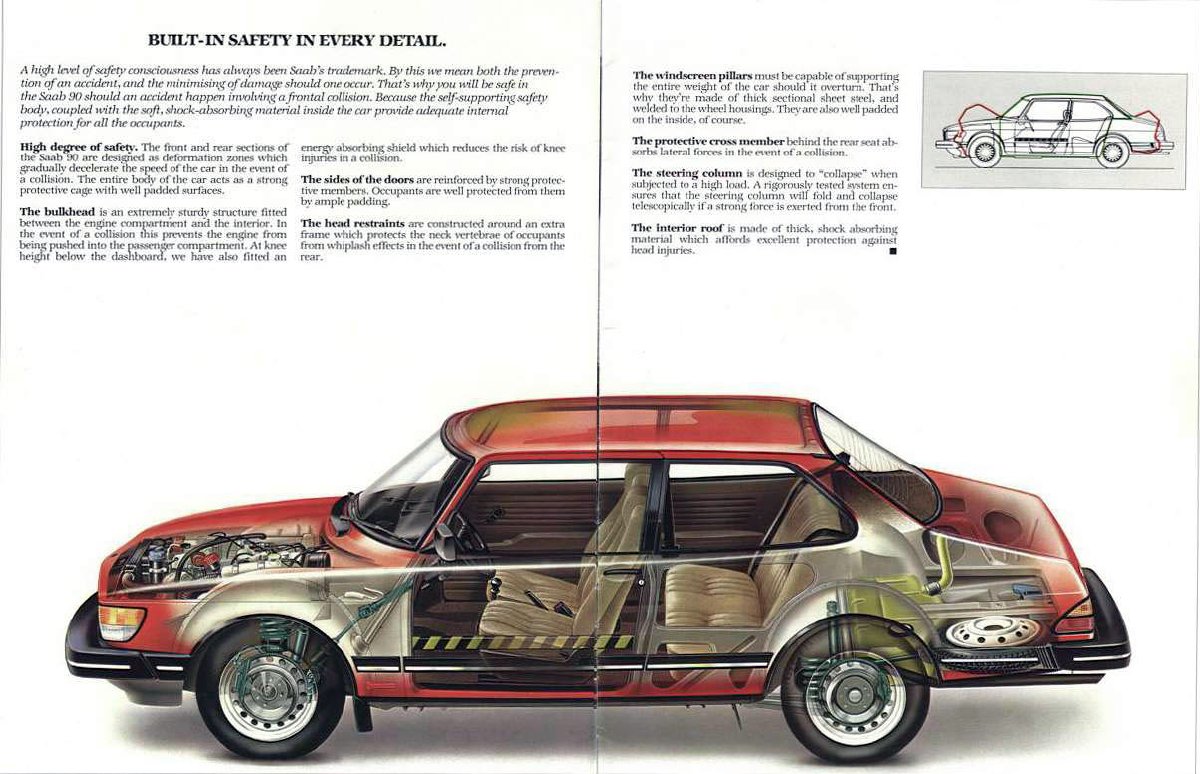
The join was at the center pillars, leaving the familiar 99 dashboard ahead of a roomier rear compartment and larger trunk. The rear seat folded down for bulky loads, while the spare wheel lived beneath the luggage floor. Under the hood, a carbureted 2.0-liter engine drove the front wheels through a manual gearbox. There was no turbocharged version to distract buyers from the practical improvements.
Cold-weather details gave this budget Saab much of its character. A thermostatically controlled heated driver’s seat was standard, and the engine’s intake was heated to discourage carburetor icing. The wide-opening hood made routine service points easier to reach. When new emissions rules demanded another investment, Saab ended production in 1987. Roughly 25,000 had been built.
Saab's budget car was an exercise in making do; Cadillac wanted its roadster to win over Mercedes and Jaguar buyers. Before the XLR's 2003 launch, engineers and marketers were driving the first 240 saleable cars about 1,700 miles apiece, looking for squeaks and other flaws. Chief engineer Dave Leone called it a final check for rattles and assembly problems. Those cars were then meant to go to dealers as used vehicles.
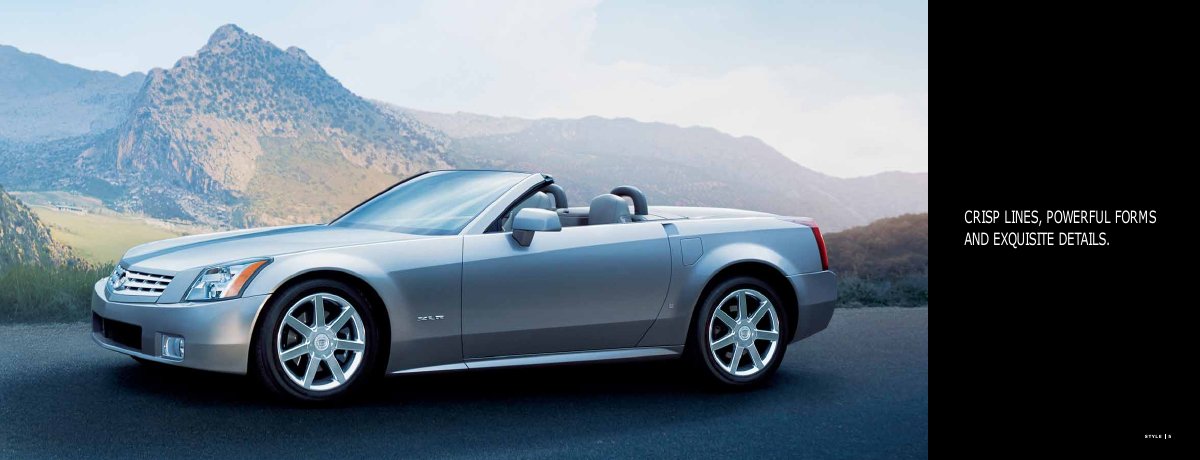
Underneath the unfamiliar shape was shared engineering. The XLR arrived for 2004, a model year before the Corvette adopted their shared architecture. Its sharp edges came from the 1999 Evoq concept, though chief designer Tom Peters noted that the production surfaces were subtly crowned, not flat. The proportions had also changed to leave room for luggage and a better view out the back.
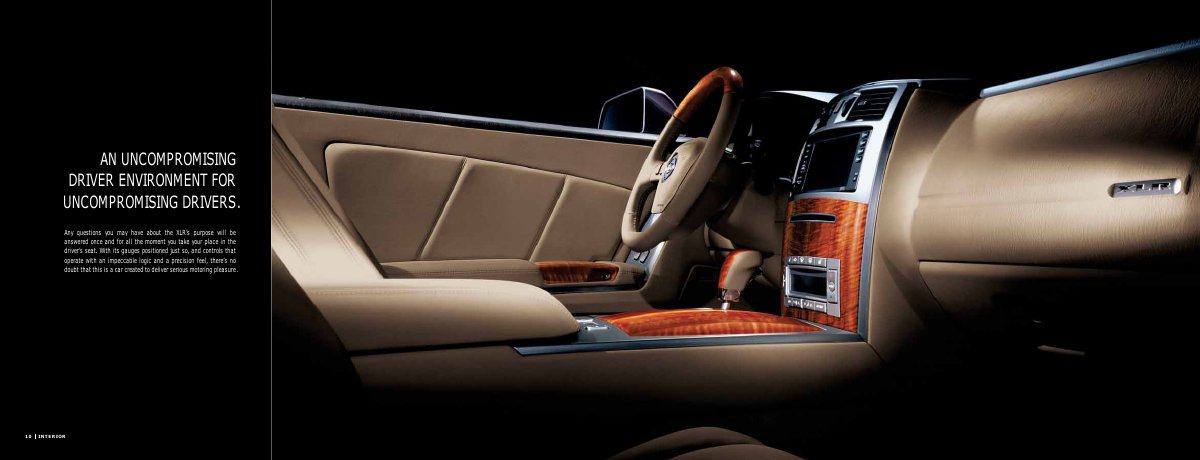
Inside, eucalyptus dressed the cabin and Bvlgari helped design the gauges. Balsa did a less conspicuous job, forming the core of composite floor panels beneath the cockpit and trunk. That sandwich provided strength and rigidity without much weight. The folding hardtop brought a more obvious compromise: it could turn the open car into a coupe in under 30 seconds, but lowering it cut trunk space from 328 to 125 liters. The roof had to go somewhere.