In this week's issue, we take a look at the Lincoln Continental, Peugeot 306, and Audi TT. We explore the access problem behind Lincoln's rear-hinged doors, the suspension hidden beneath Peugeot's familiar shape, and Audi's reasons for mixing aluminum with steel.
The classic
1963 Lincoln Continental
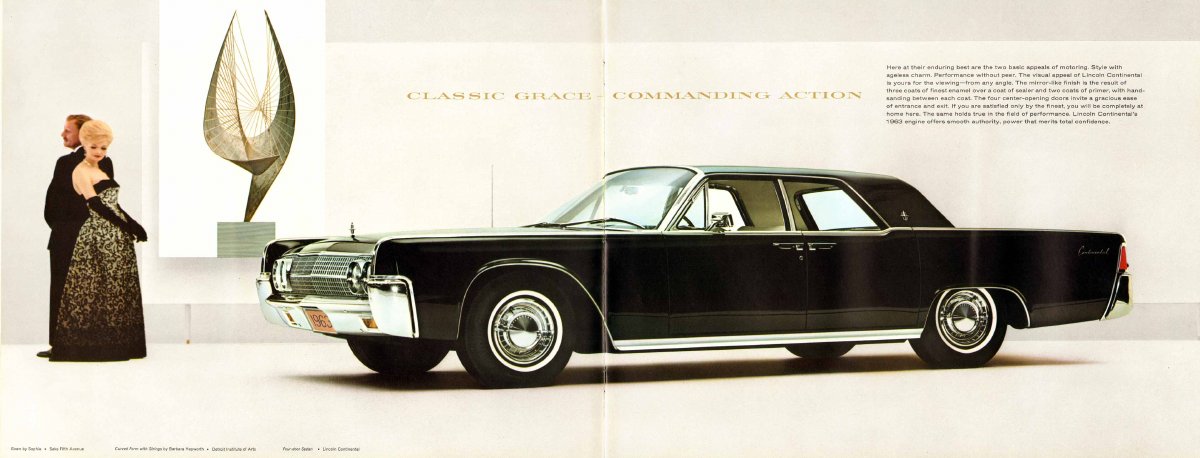
The 1963 Continental's crisp shape began as a rejected Thunderbird proposal. Elwood Engel's team had developed a restrained coupe for the 1961 Thunderbird; Ford chose another design, but Lincoln adopted this one. Engel used the earlier Continental Mark II as his benchmark, while narrow bright-metal caps defined the upper edges of the body. Those long, clean shoulders survived the conversion from two-door proposal to formal four-door.
Adding doors exposed a problem that a handsome clay model couldn't solve: getting people into the back seat. Historians Jim and Cheryl Farrell recount engineer Harold Johnson trying a seating mockup and hitting his feet as he climbed in and out. His answer was to hinge the rear doors at the back, improving access while limiting the extra body length. He also proposed eliminating the center pillars, but cost and complexity concerns killed that idea.
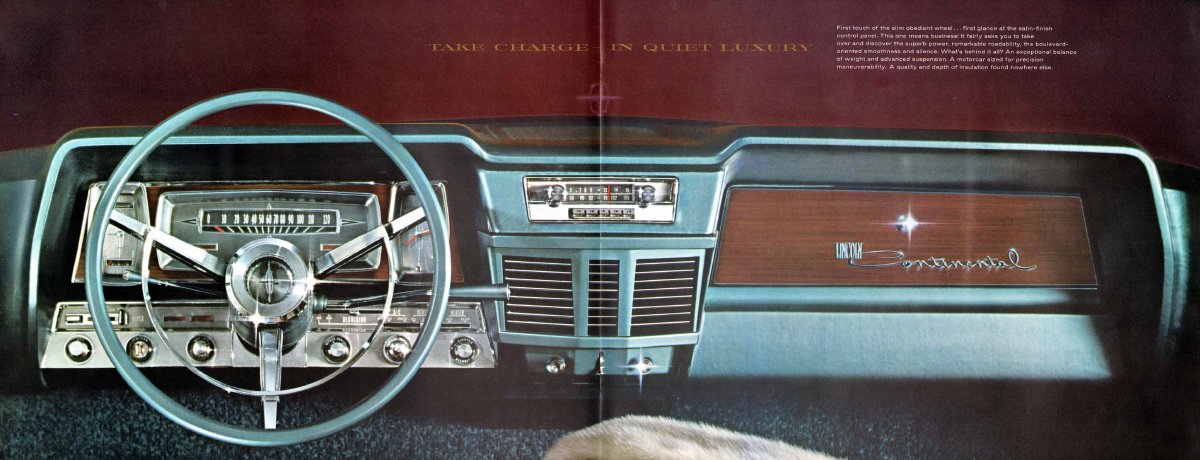
By 1963, Lincoln was finding more room within the existing proportions. A reshaped decklid and rearranged trunk increased luggage capacity; inside, passengers gained rear legroom and front knee room. The wheelbase remained 123 inches, while the 430-cubic-inch V8 received a four-barrel carburetor and new pistons. A three-inch wheelbase stretch would follow for 1964; the 1963 car still packaged these improvements within the shorter chassis.
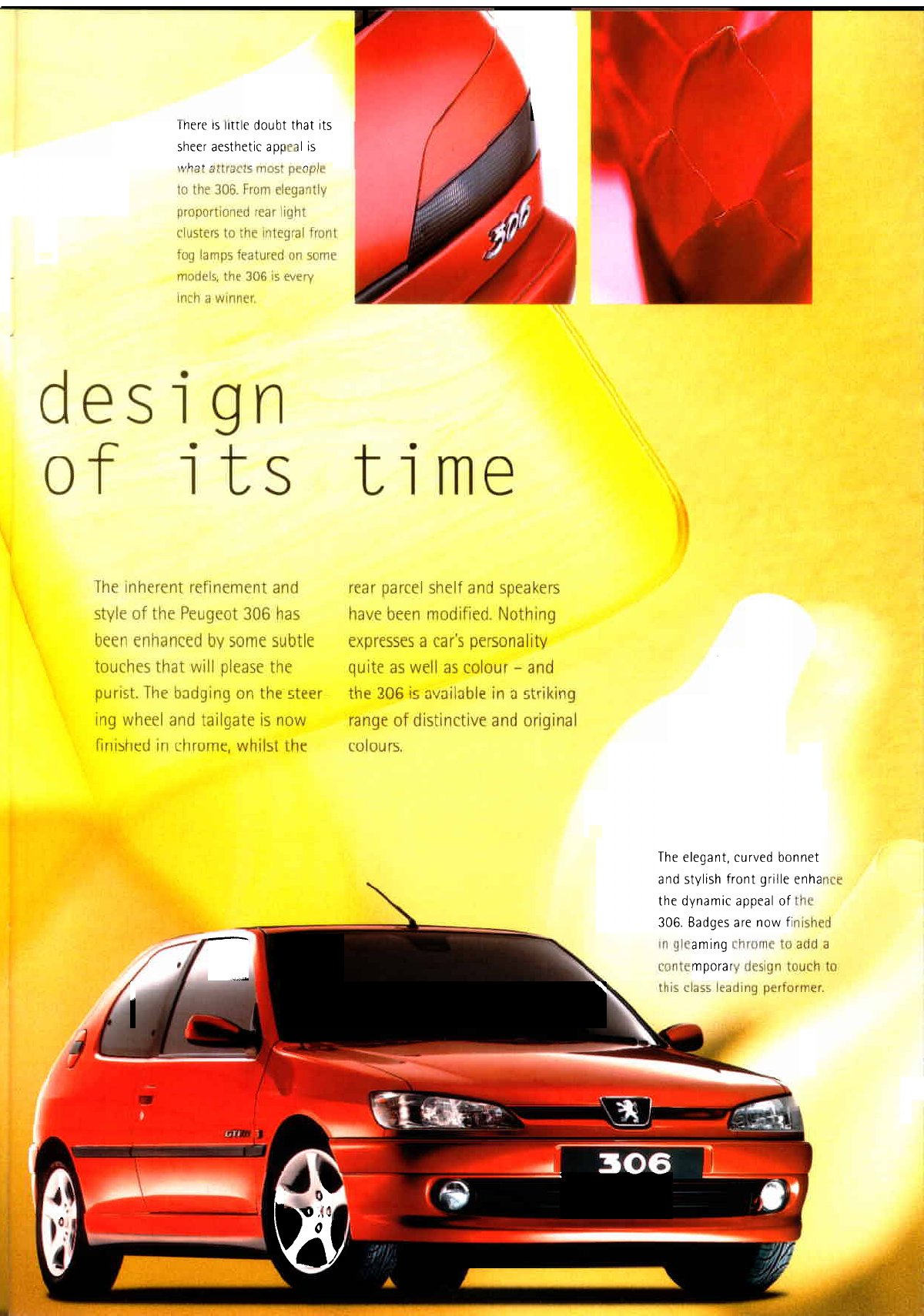
The Peugeot 306 also paired a restrained shape with an unusual mechanical idea, this time hidden underneath. Peugeot deliberately followed the restrained styling of the early 1990s, with a nose and flanks that linked it to the 106 and 205. The design was the work of Gérard Welter and his team. Under that familiar body, the rear suspension could produce a small steering effect of its own.
The 306 shared its platform with the Citroën ZX, using struts up front and trailing arms sprung by torsion bars at the rear. Its rubber rear-suspension mounting bushes allowed movement that provided passive rear steering. The torsion bars supplied the springing; flex in the mountings allowed the rear assembly to move slightly relative to the body. Peugeot described the aim as maintaining tire contact with the road and stable handling.
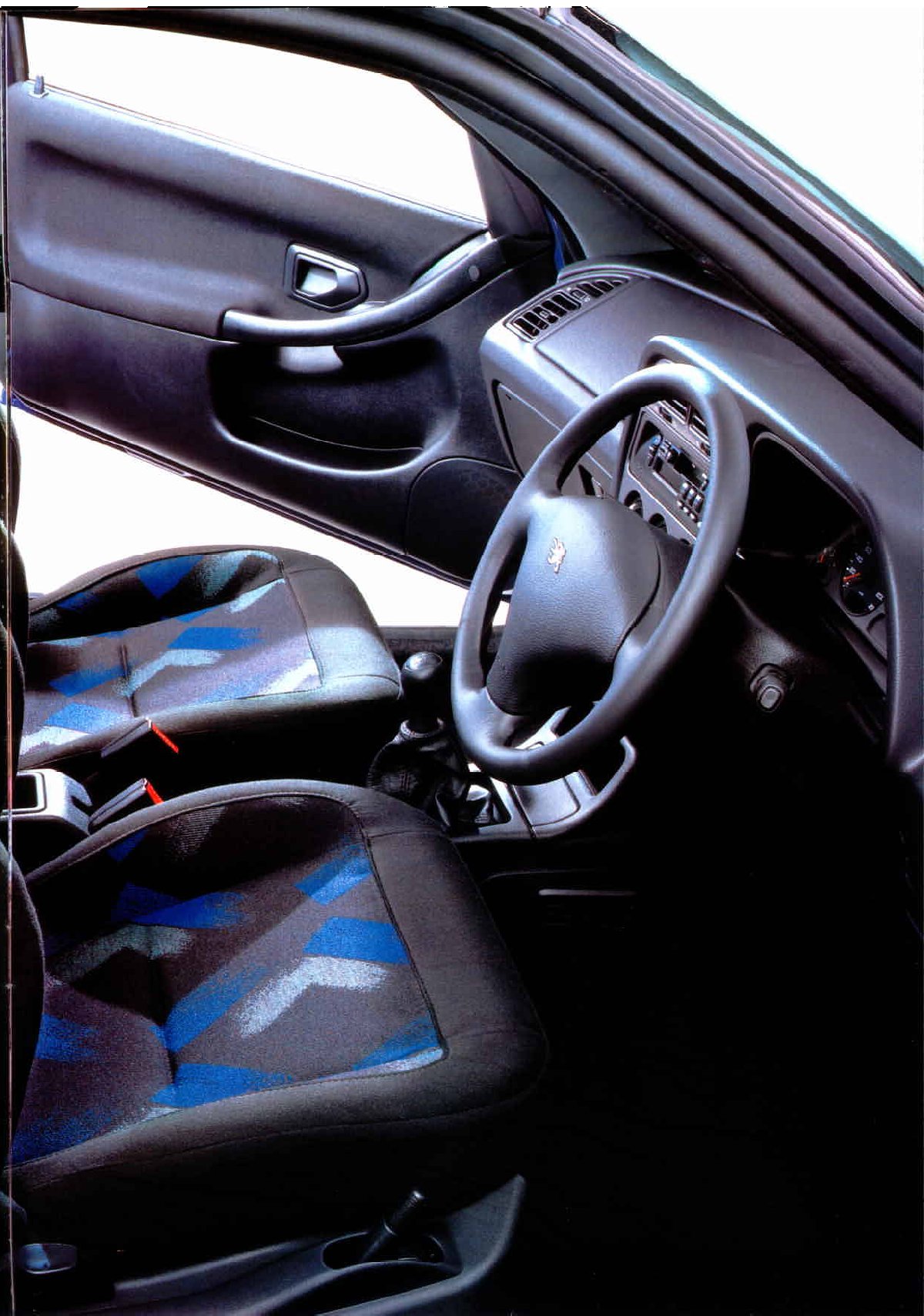
You didn't need the hottest engine to appreciate the chassis. Testing a 1.6XT in 1993, Roger Bell praised its supple ride and precise, responsive steering, while finding the cabin roomy and conservatively trimmed. The GTi-6 later added a 2.0-liter, 16-valve engine and six closely spaced gears, making its performance easier to access. That extra ratio was still unusual outside expensive exotica: a useful mechanical distinction in a car whose family resemblance remained easy to recognize.
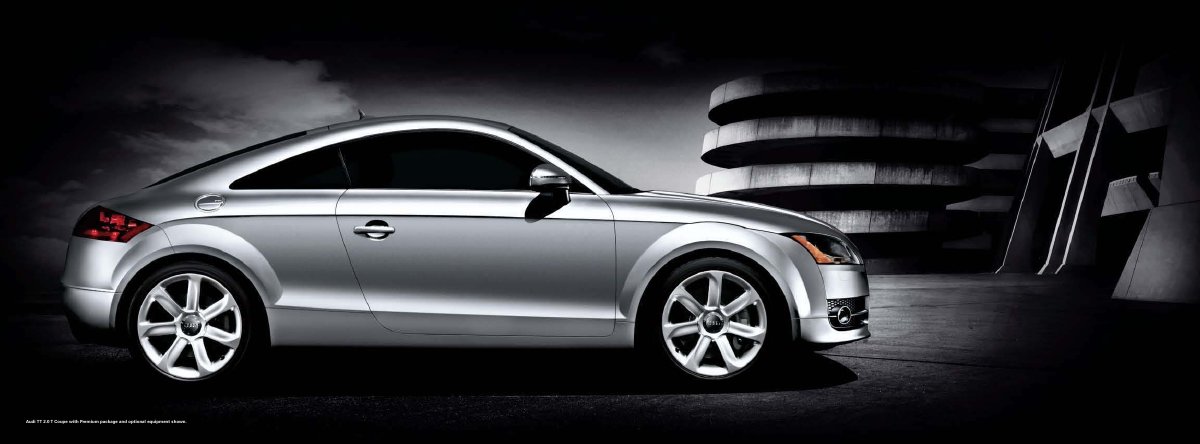
The Audi TT hid a different chassis surprise beneath its familiar shape: a deliberate mix of aluminum and steel. The coupe's bodyshell was 69 percent aluminum and 31 percent steel by weight. Aluminum was concentrated up front; steel served in the rear floor, doors and luggage-compartment lid. That mix helped distribute the weight between the axles, while saving money compared with using aluminum everywhere. The heavier metal had a useful job to do.
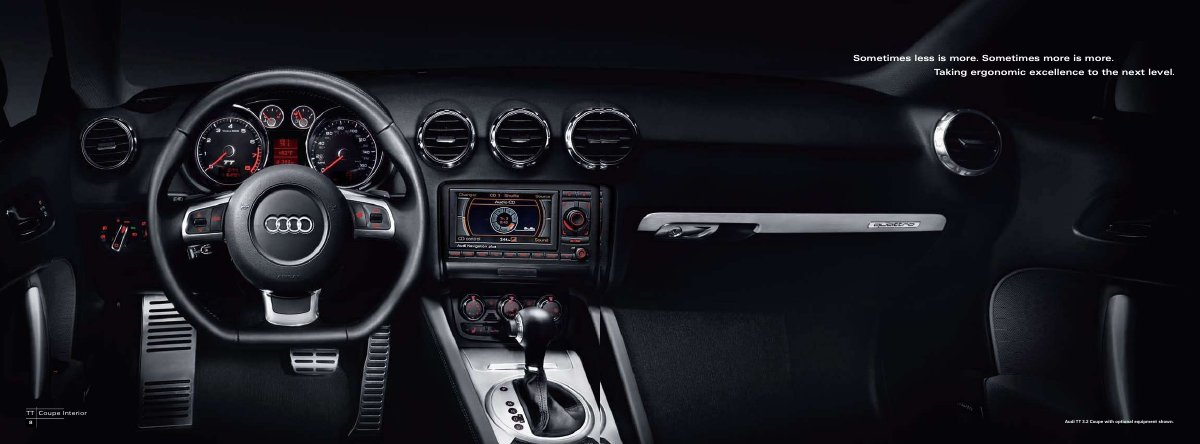
The new structure still had to look like a TT. Freeman Thomas's original coupe study appeared at Frankfurt in 1995, with circles as a recurring theme. The second generation carried that idea into its three central air vents and round fuel cap. Inside, though, Audi removed the old center-tunnel bars that could press against a tall driver's knee, replacing them with a conventional console. Familiar shapes survived without preserving every ergonomic quirk.
Mixing metals brought another engineering problem: aluminum and steel can corrode where they meet. At their sheet-metal joints, Audi used self-tapping screws and an adhesive layer to inhibit that reaction. The adhesive sat between the materials, so the construction depended on more than choosing which panels should be light and which could remain steel.