In this week's issue, we take a look at the Plymouth Barracuda, Citroën BX, and Lexus LFA. We explore the engine packaging behind Plymouth's Shaker scoop, the lightweight thinking and theatrical launch of Citroën's hatchback, and the cooling layout that shaped the LFA.
The classic
1970 Plymouth Barracuda
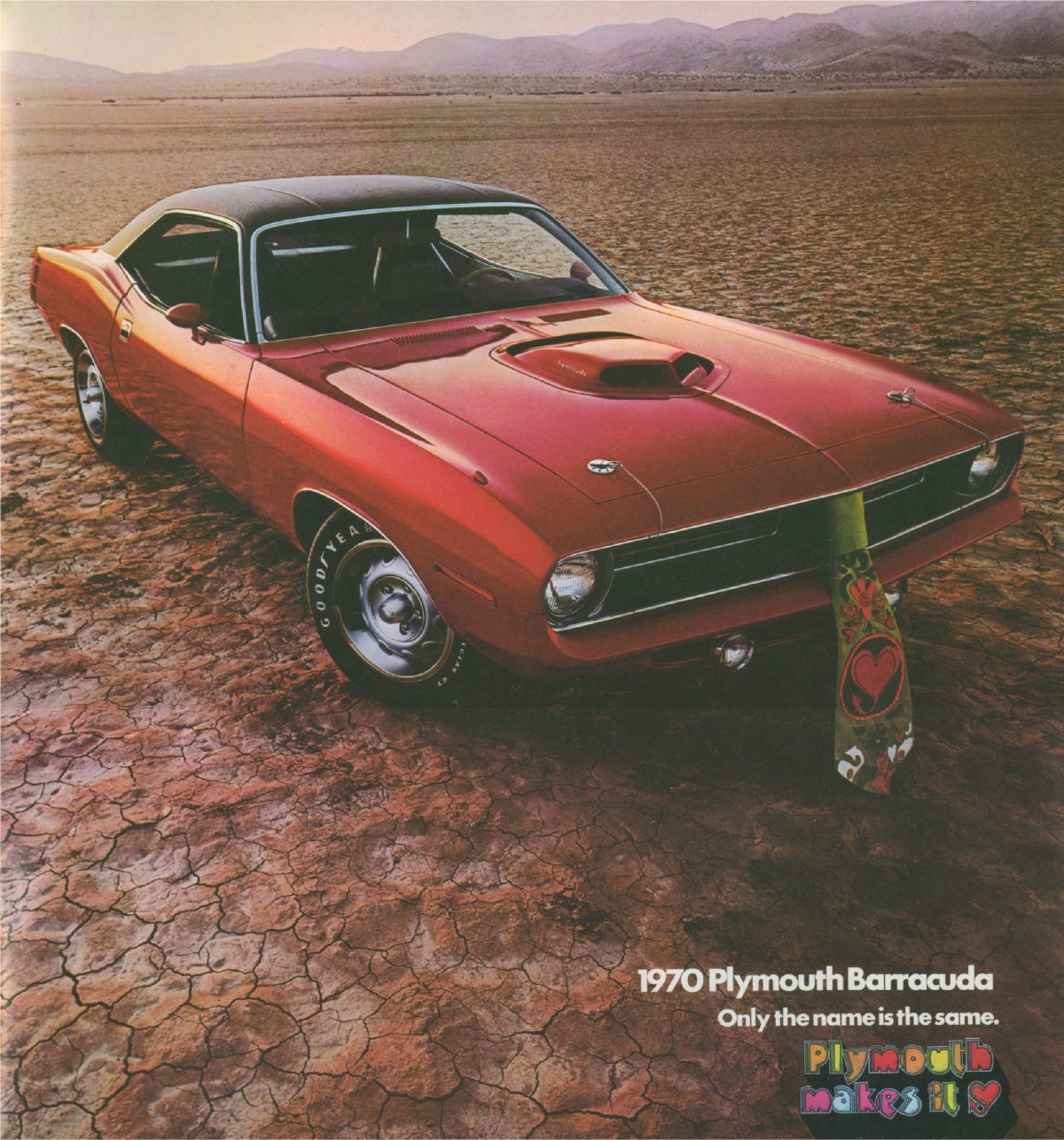
The 1970 Plymouth Barracuda's redesign started with a blunt requirement: make room for every V8 Chrysler offered. Earlier Barracudas used the compact A-body platform; squeezing in a big engine could demand special parts and alterations. The new E-body drew on Chrysler's larger intermediate-car hardware instead. John Herlitz gave it a long hood and short rear deck, making that extra mechanical capacity look like a deliberate styling choice.
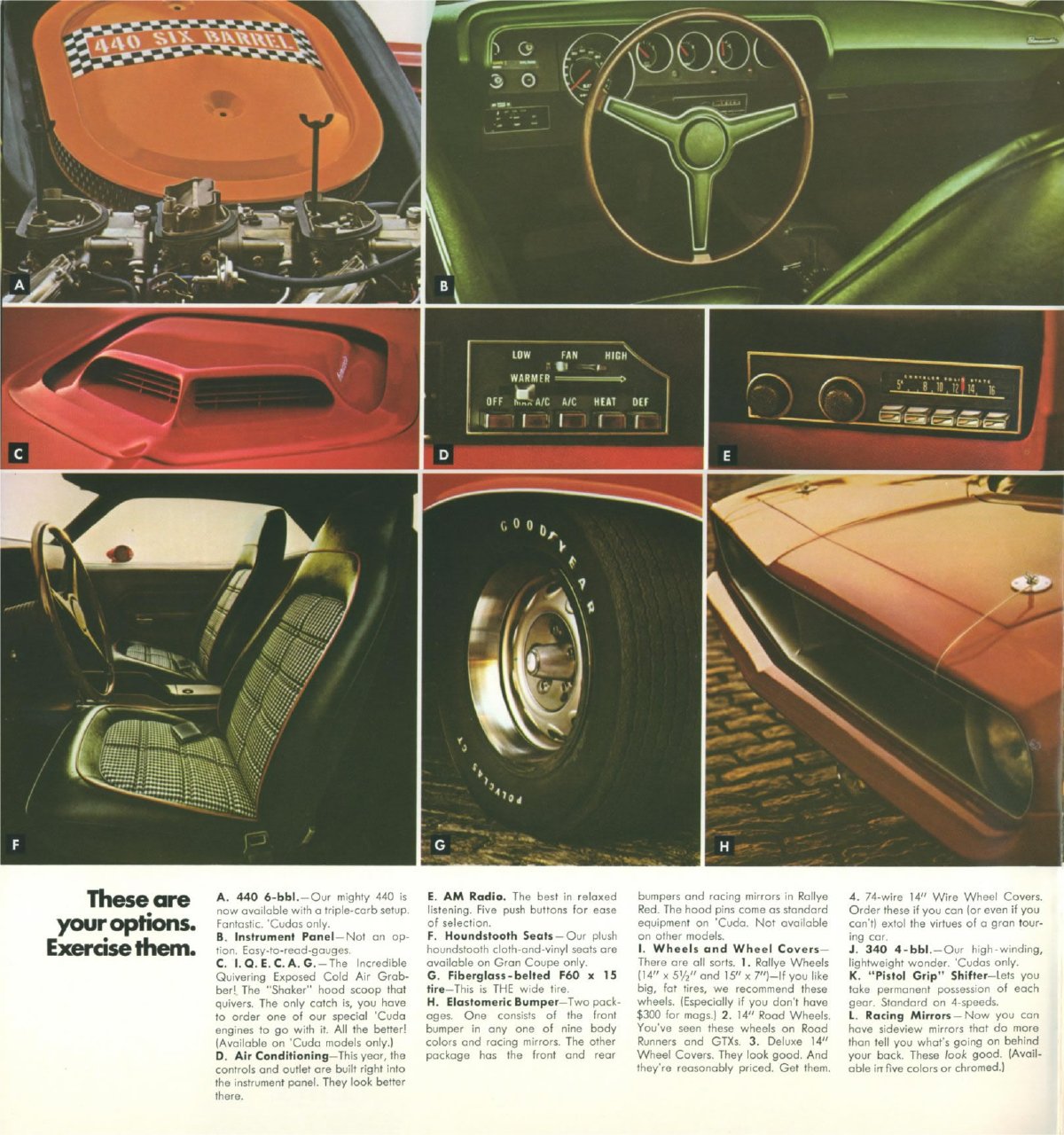
Herlitz later recalled working closely with powertrain engineers and sharing the cowl and plenum with Chrysler's intermediate cars to gain room for those engines. The relationship also reached the hood: aerodynamicists and engine-breathing specialists helped develop the Shaker scoop. It attached to the engine's carburetors rather than the hood, poking through an opening in the sheetmetal. Its movement followed the running engine, so the name described something the driver could actually see.
Plymouth had a much less manageable name for the device: the "Incredible Quivering Exposed Cold Air Grabber," abbreviated I.Q.E.C.A.G. The Shaker was available only with the performance 'Cuda and a suitable engine, rather than being a decorative accessory for any Barracuda. That distinction mattered in a range that also included the more luxurious Gran Coupe and ordinary six-cylinder cars. The same basic body could accommodate very different ambitions; the moving scoop made the performance version's priorities unusually visible.
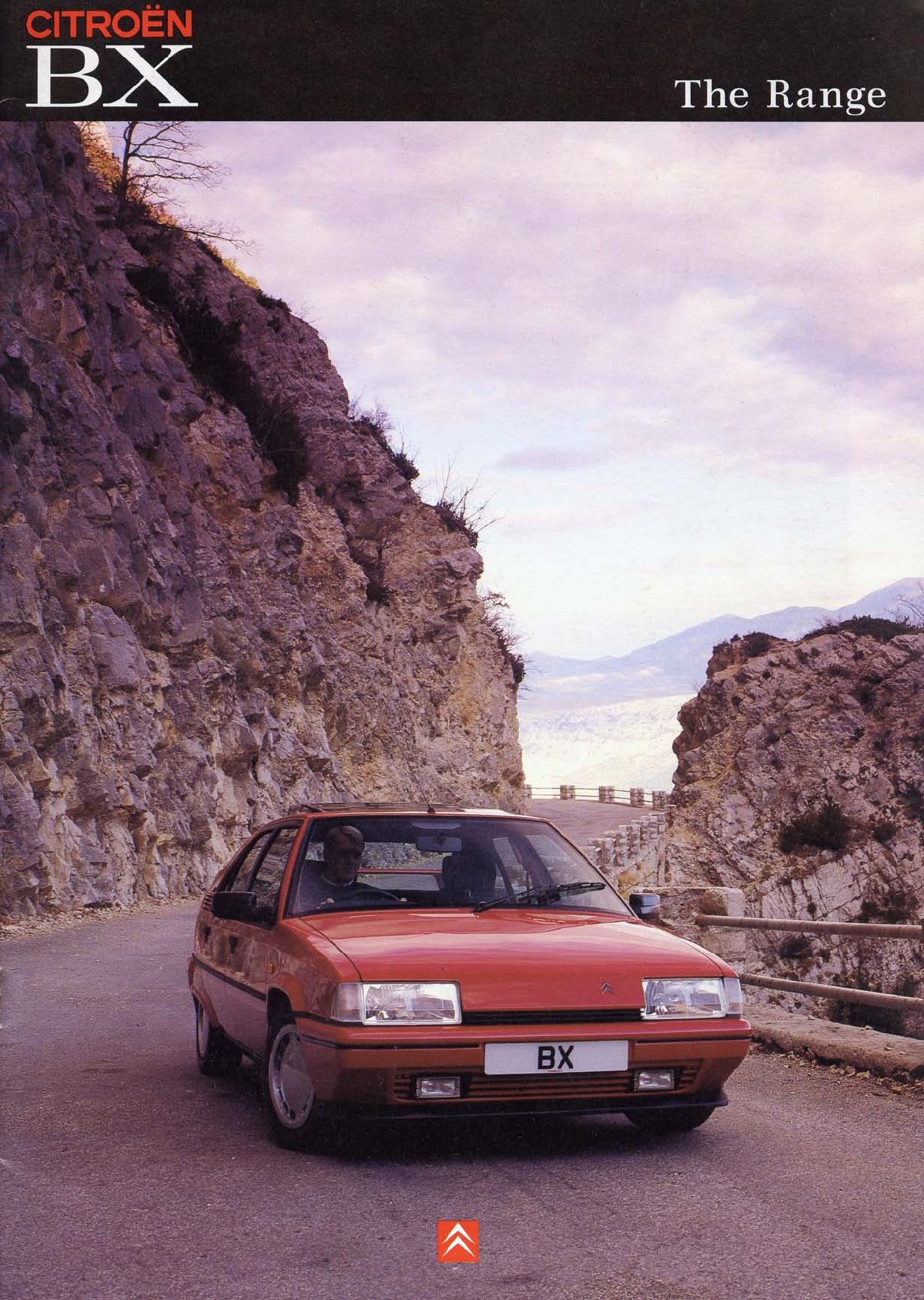
Where Plymouth put its performance hardware on display, the Citroën BX concealed a weight-saving idea beneath its sharp-edged shape. Its original design used glass-fiber-reinforced polyester for the hood and tailgate. Keeping mass down was meant to help modest engines deliver lively performance without extravagant fuel consumption. Marcello Gandini at Bertone, the designer behind the Lamborghini Countach, gave this family hatchback its angular outline. Citroën wanted an unconventional family car, with the comfort and economy needed for everyday use.
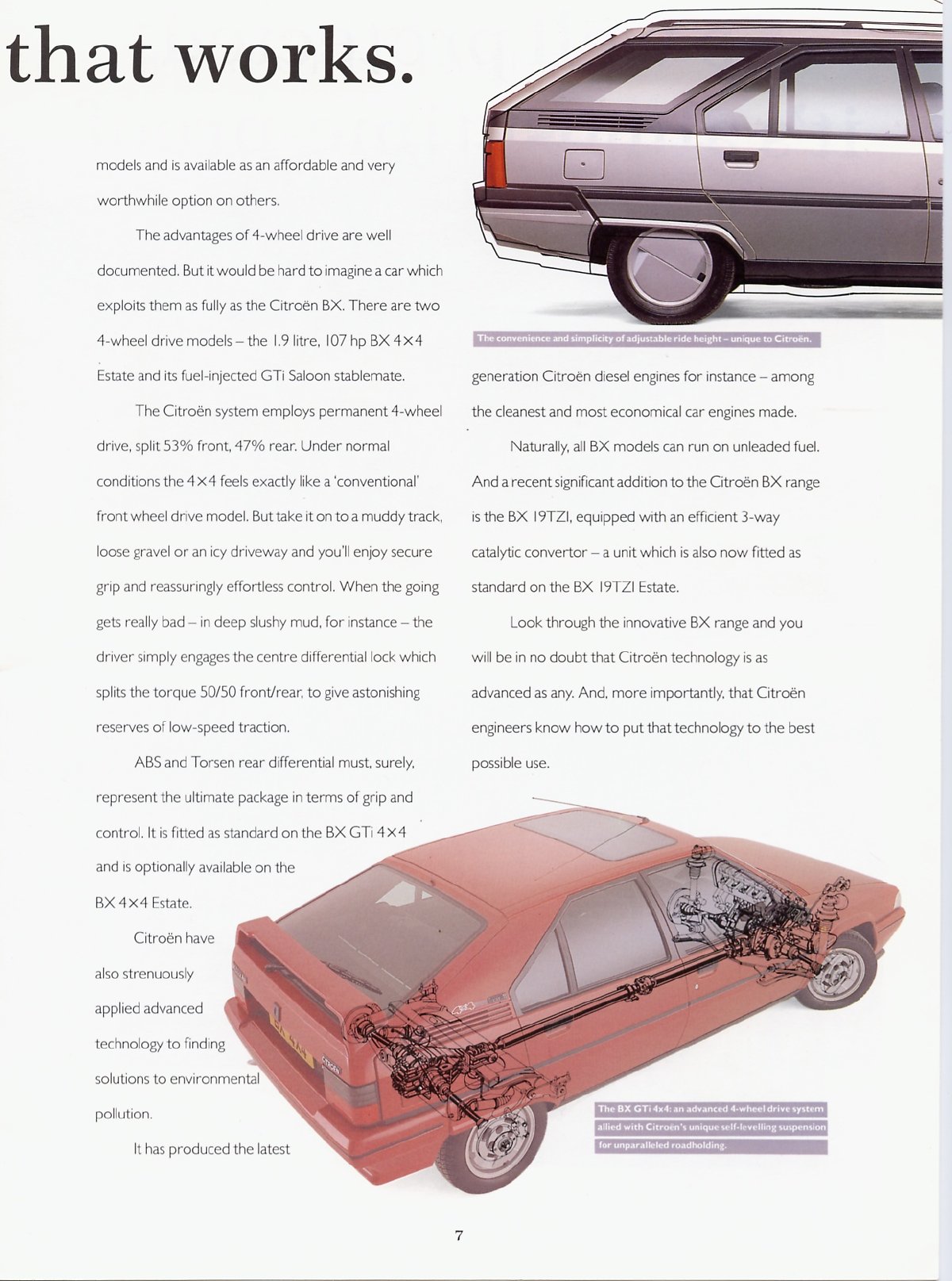
By 1991, the BX range offered another answer to a practical problem: finding grip without giving up a comfortable ride. Its four-wheel-drive versions sent 53 percent of the drive to the front wheels and 47 percent rearward in normal operation. A center differential lock helped on slippery ground. Height-adjustable, self-leveling suspension let the driver raise the body for clearance or lower it to make hooking up a trailer easier.
Citroën gave this family-car project an unusually theatrical introduction. On September 23, 1982, a giant wooden crate descended from the Eiffel Tower during a sound-and-light show. When it opened, the BX appeared; fireworks accompanied the unveiling. Sales began at the Paris motor show a week later. The spectacle introduced a car that would remain in production into 1994, eventually selling more than two million examples.
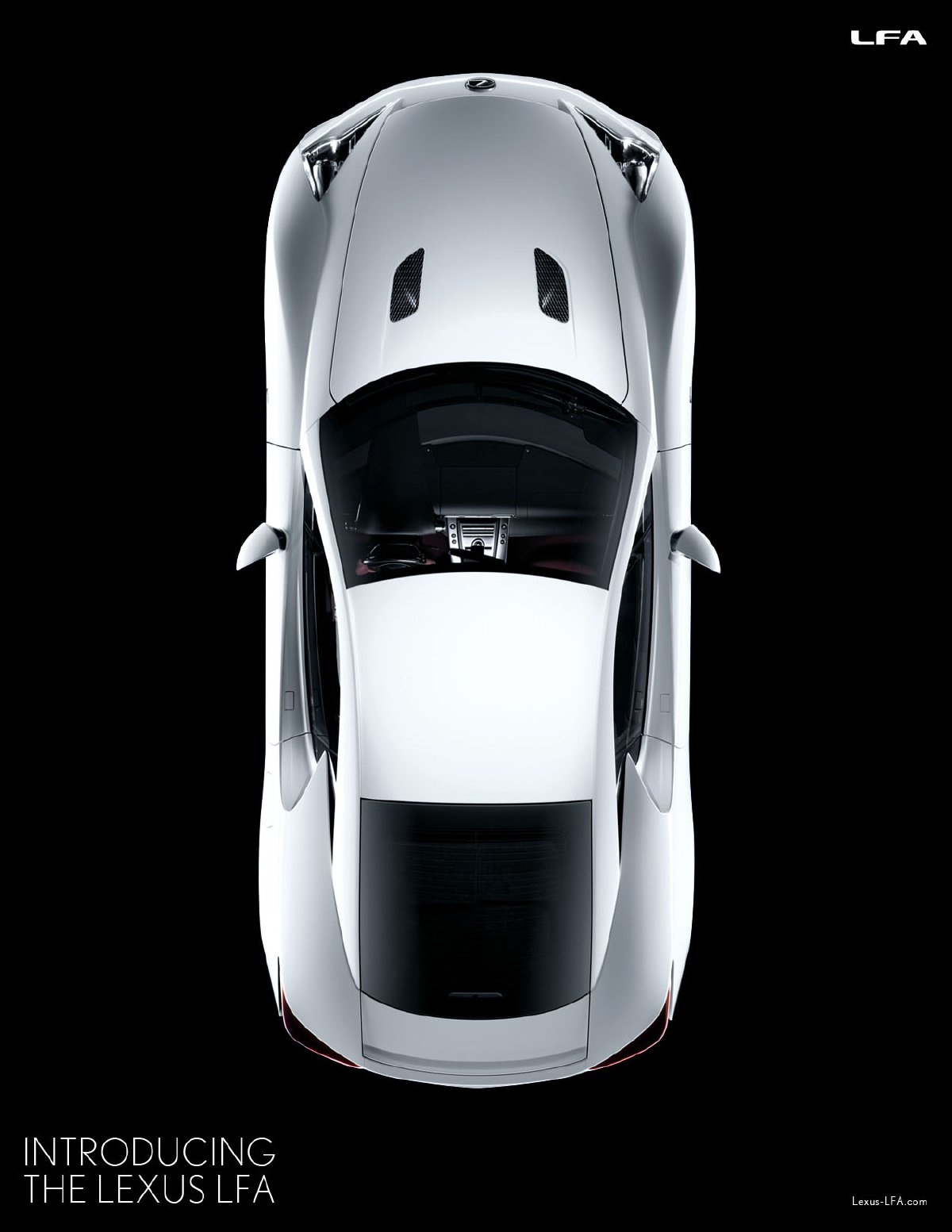
The Lexus LFA also gave its sharp-edged bodywork a practical job: feeding rear-mounted radiators despite having its V10 ahead of the cabin. That unusual arrangement had an unlikely advocate: Leonardo Fioravanti, the former Ferrari designer. In its review of chief engineer Haruhiko Tanahashi's memoir, Car and Driver credits Fioravanti with the rear-radiator idea. A designer's contribution to this supercar went well beyond drawing its silhouette.
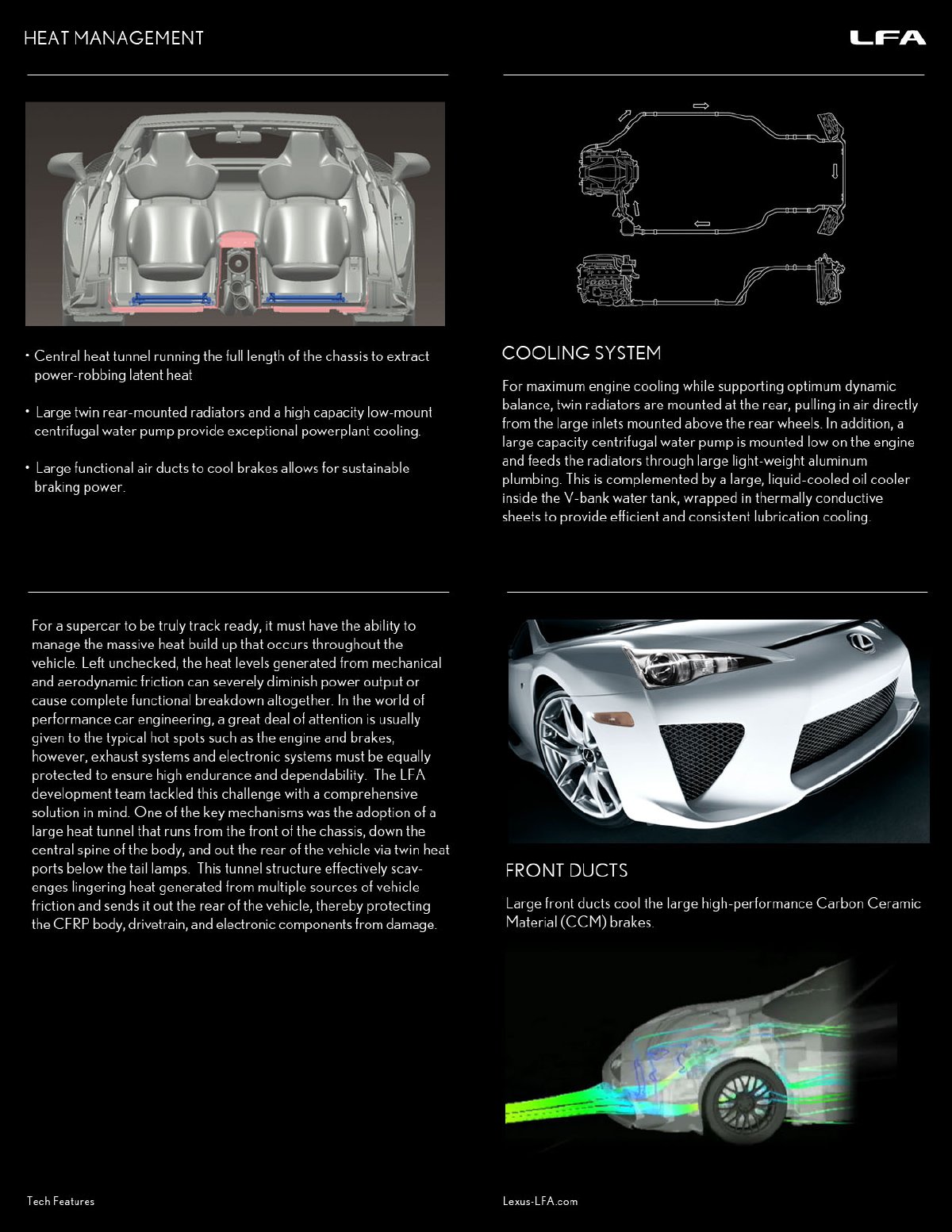
The six-speed gearbox also lived at the rear, helping the LFA carry 52 percent of its weight over the rear wheels. That rearward balance was deliberate: Lexus put the engine up front but arranged the hardware to avoid a nose-heavy result. Cooling it from the opposite end of the car required a low-mounted centrifugal water pump and large, lightweight aluminum plumbing. The radiators drew their air through the conspicuous inlets above the rear wheels.
Even the door mirrors had a cooling assignment. Lexus shaped them to channel air over the car's shoulders toward those rear intakes. Heat had another escape route through a tunnel running down the car's central spine to outlets beneath the taillights. That passage carried heat away from the carbon-fiber body, drivetrain and electronics. Those rear inlets were part of a cooling system that stretched almost the length of the car.