In this week's issue, we take a look at the Chevrolet Corvette Sting Ray, Ford Escort RS Cosworth, and Mercedes-Benz SLS AMG. We explore the argument over Chevrolet's split rear window, the Sierra hardware under Ford's rally special, and the emergency-release system behind Mercedes' gullwing doors.
The classic
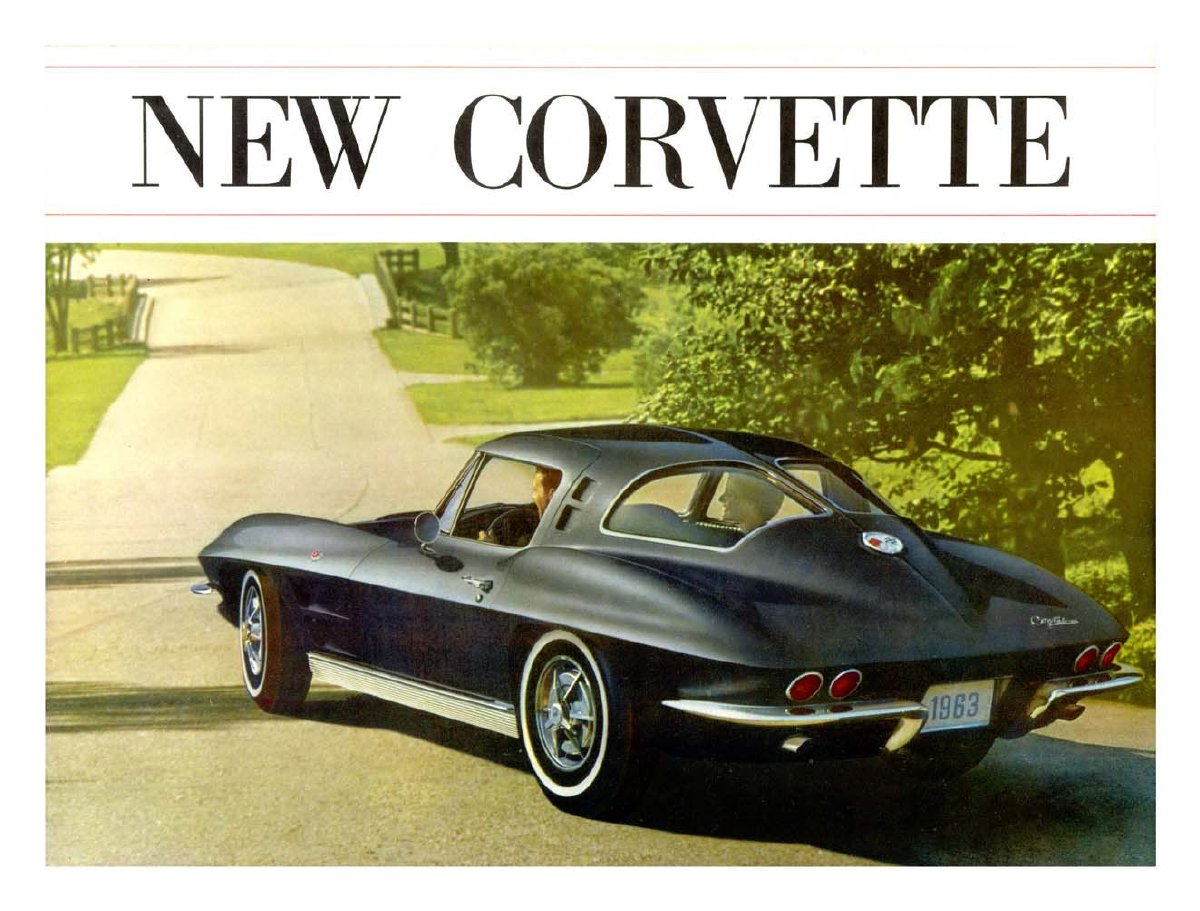
1963 Chevrolet Corvette Sting Ray
In designer Peter Brock's account, the Sting Ray's split window began with Bill Mitchell asking a sculptor to cut a line through a clay model's rear-window area. Mitchell then requested two windows tapering toward a point; engineer Zora Arkus-Duntov objected to the obstructed rearward view. This was an early styling model, not the finished production car. Brock credited Larry Shinoda and Tony Lapine with developing its final lines.
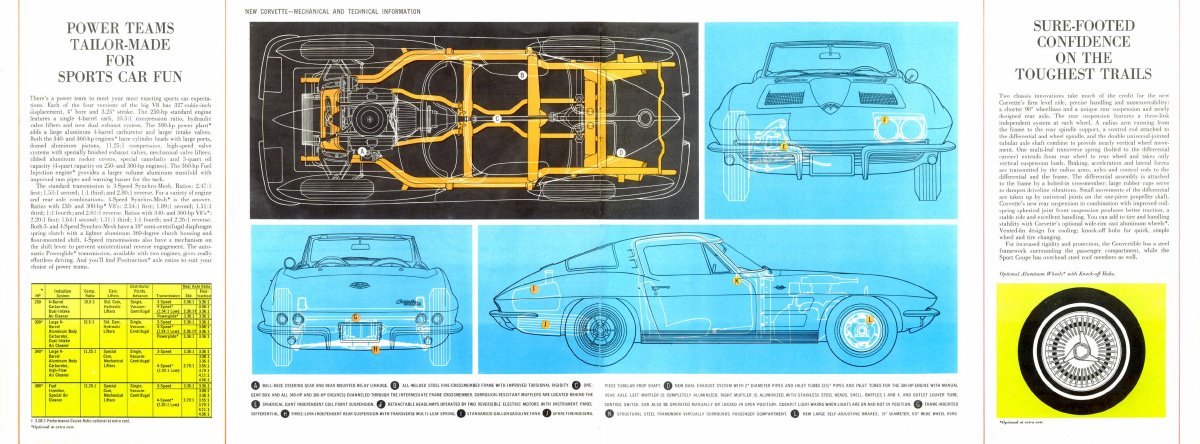
Chevrolet's engineers made a less visible break with the old Corvette: independent rear suspension. The differential stayed bolted to the frame, reducing the mass bouncing with the wheels. Each half-shaft did two jobs, transmitting drive and acting as an upper suspension link. Lower control rods and radius arms located the wheels; a transverse leaf spring carried the vertical load. Packaging ruled out the prototype CERV-1's coil springs.
That didn't make every road feel smooth. In its April 1963 test, Car and Driver praised the transformation in traction and cornering, but found the rear end skittish on rough surfaces. The stiff front anti-roll bar and rear spring compromised the wheels' independence over bumps. On smooth pavement, though, the testers were astonished by how readily they could change their line through a turn without upsetting the car's balance.
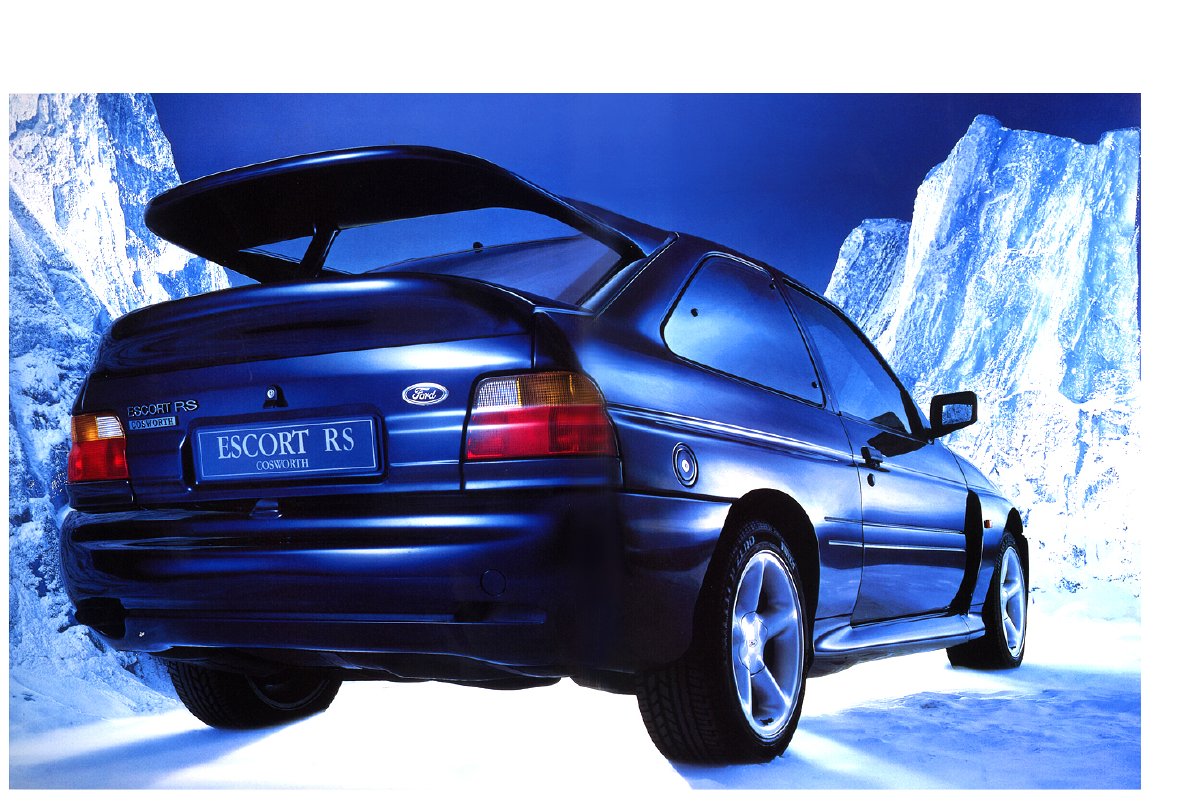
Ford's Escort RS Cosworth hid a different mechanical rethink beneath its bodywork: it wore an Escort badge, but relied on Sierra hardware. Ford wanted the Sierra Cosworth's proven turbo engine and four-wheel-drive hardware in a smaller rally car. The solution was a shortened Sierra-based floorpan beneath Escort-shaped bodywork, with the engine running lengthwise rather than across the nose. That gave Ford's competition engineers familiar equipment in a more compact package.
Even the curves had an unusual brief. Early shapes were too square for Ford's coming design direction, so Ian Callum worked with MGA designer Steve Harper to soften the wheel arches, skirts and bumpers. They were bridging the visual gap between the ordinary Escort and the forthcoming Mondeo. Ford also needed aerodynamic load at the front as well as the rear, so the lower front spoiler had a job alongside that enormous wing. The openings in the front fenders helped cool the engine.
Road buyers inherited some competition compromises. The early car's large turbo suited its motorsport mission but brought a noticeable wait for boost. In 1994, Ford introduced a smaller turbo and different engine management for a more responsive road car. Buyers could keep the muscular bodywork while getting a less abrupt response when they pressed the accelerator.
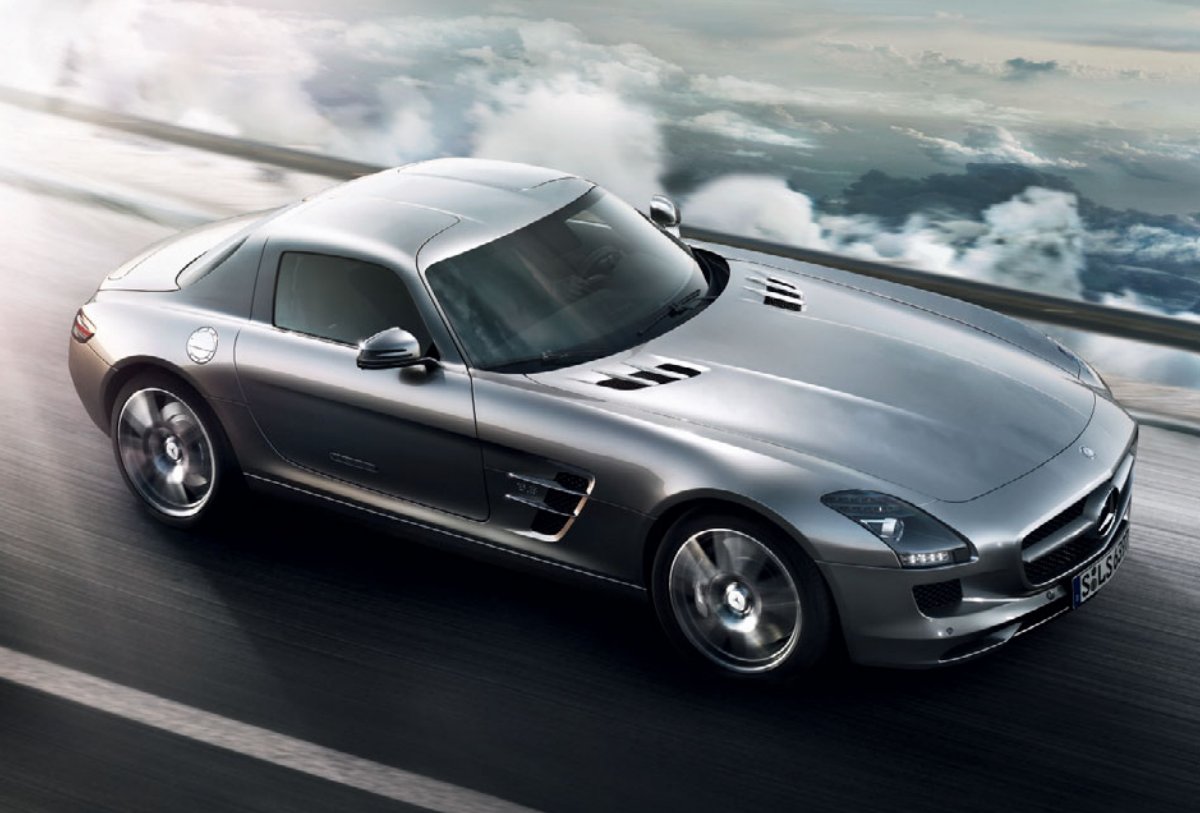
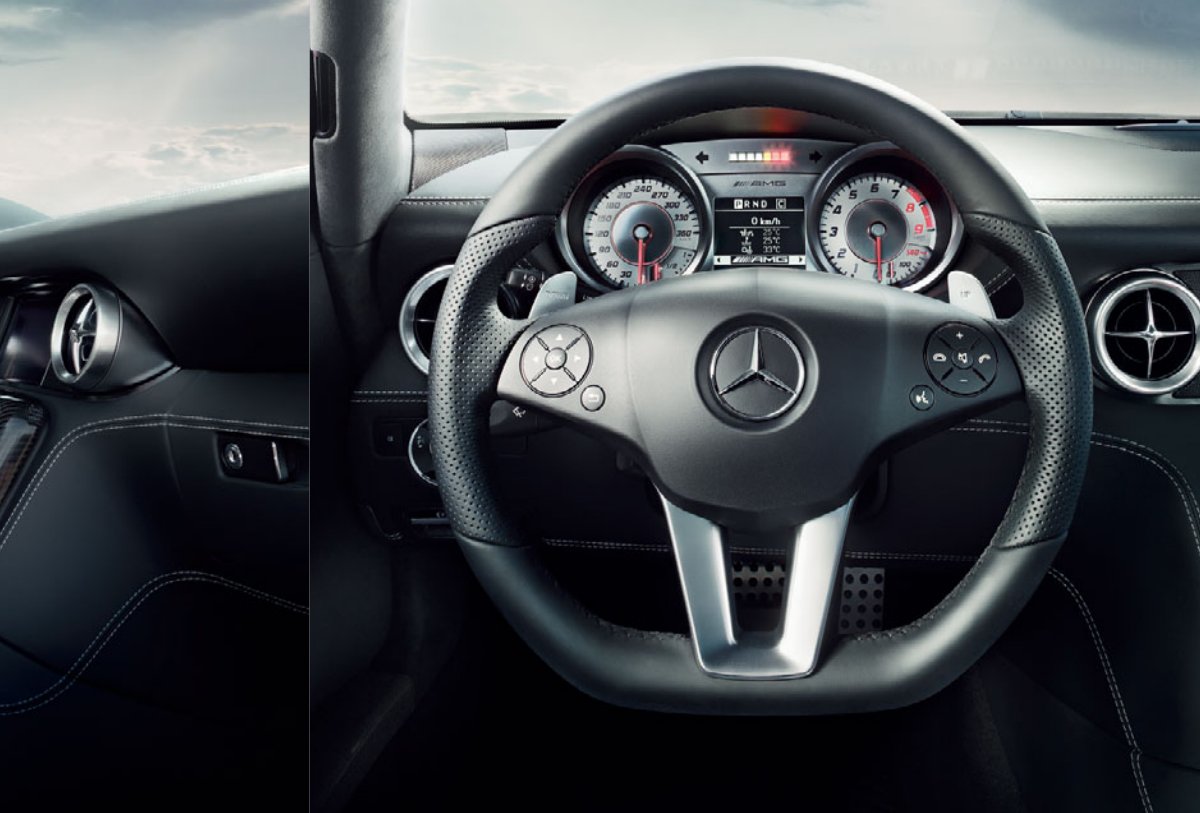
Mercedes-Benz also wanted a shape that looked forward, but SLS AMG designer Mark Fetherston looked beyond cars. He studied aircraft fuselages and the way a jet's cockpit sits above its body, seeking simplicity rather than fashion. You can see that thinking in the low cabin perched behind the long hood. The aircraft references continued inside, with turbine-like vents, a wing-shaped dashboard and a gear selector recalling a jet's thrust control.
The machinery underneath demanded careful packaging. AMG mounted the V8 behind the front axle and used dry-sump lubrication to lower it: oil lived in a separate tank instead of a deep pan beneath the engine. That also kept lubricant flowing during hard cornering. A seven-speed dual-clutch transaxle sat at the rear, joined rigidly to the engine by a torque tube containing a carbon-fiber driveshaft. Moving the gearbox aft helped balance the engine's weight.
Those roof-hinged doors needed an escape plan of their own. If the coupe came to rest upside down after an accident, the restraint-system controller triggered pyrotechnic initiators that uncoupled the hinges. Once the door locks were opened, the doors could be pulled free. The charges released the connections; they didn't launch the doors away like a fighter's canopy.